

Can You Move a Kitchen Sink Drain Yourself?
If you’re planning a kitchen renovation, knowing how to move kitchen sink drain pipework is one of the first things you’ll need to understand. In short: some preparation work is DIY-friendly, but the actual drainage relocation in Victoria must be carried out by a licensed plumber under the Plumbing and Drainage Act 2014 and must comply with the National Construction Code. Getting this right protects your home and your insurance.
Why Victorian Homeowners Move Their Kitchen Sink Drain
Kitchen layouts evolve. You might be opening up a wall, installing a kitchen island, or repositioning your sink to capture a better view of the garden. Whatever the reason, moving the drain is one of the more complex parts of any kitchen renovation — far more involved than simply swapping out a tap or benchtop.
In older Victorian homes, particularly those built before the 1980s, you may encounter cast iron or clay drainage pipes beneath the floor. These materials require specific handling and may need to be replaced with modern PVC before any relocation work begins. It’s worth factoring this into your renovation budget early.
Understanding the Drainage System Before You Start
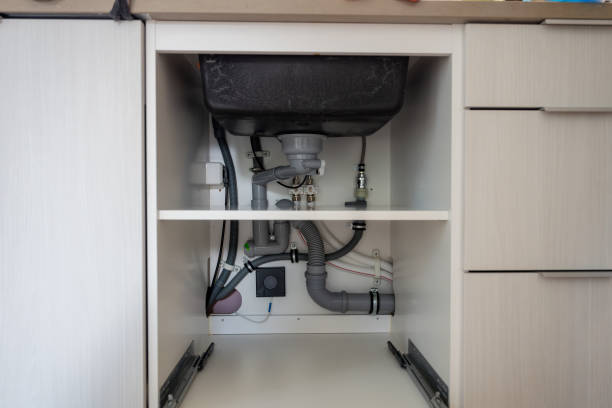
Before anything is moved, you need to understand what you’re working with. Your kitchen sink drain connects to a trap (the curved pipe that prevents sewer gases from entering your home), which then ties into a branch drain line, which ultimately connects to the main sewer or septic system.
The critical factor in any drain relocation is fall — the slope of the pipe. Australian Standard AS/NZS 3500.2 specifies that sanitary drainage pipes must maintain a minimum gradient (typically 1:40 for 50mm pipes) to ensure wastewater flows freely without pooling or blocking. If the fall isn’t right, you’ll face recurring blockages no matter how well everything else is installed.
You’ll also need to consider venting. Drainage systems rely on air venting to maintain pressure balance and prevent trap siphonage. Moving your sink drain may require extending or adding a vent pipe — another reason this work needs a qualified professional. For more detail on what’s involved in professional drain installation, it’s worth reviewing what a full service entails.
How to Move Kitchen Sink Drain: The Step-by-Step Process
Here’s a clear overview of how the process typically unfolds during a kitchen renovation in Victoria. Understanding these steps helps you communicate effectively with your plumber and plan your project timeline.
- Plan your new sink location. Confirm the final position of your sink with your kitchen designer or cabinet maker. The closer the new drain position is to the existing one, the simpler (and less costly) the relocation.
- Obtain the necessary permits. In Victoria, plumbing work must be performed by a licensed plumber who lodges a Certificate of Compliance with the relevant water authority upon completion. Check your obligations via the Victorian Building Authority.
- Expose the existing drain pipework. This may involve cutting into cabinetry, lifting floorboards, or opening up a wall cavity depending on your home’s construction.
- Cap the existing drain connection. The old drain outlet is capped off cleanly to prevent odours and pest entry during the renovation period.
- Run new pipework to the new location. Your plumber will cut into the existing branch drain, install a new junction, and run PVC pipe to the new sink position — maintaining correct fall throughout.
- Install the new trap and waste outlet. The trap is fitted beneath the new sink position, ready for your cabinet maker to build around.
- Test the system. Before walls or floors are closed up, the drain is tested for leaks and correct flow. Your plumber will then issue the Certificate of Compliance.
Common Challenges in Older Victorian Homes
Victoria’s housing stock is wonderfully diverse, but older homes present unique challenges. Concrete slab floors, for instance, require saw-cutting and careful excavation to access and reroute drainage — a more involved and costly process than working with a suspended timber floor.
Heritage homes may also have drainage configurations that don’t align neatly with modern standards. A skilled renovation plumber will assess your existing setup and advise on the most practical path forward, including whether any upgrades to your broader drainage system are recommended at the same time.
If you’re also considering updates to your water supply lines during the renovation, it’s a smart time to look at options like water filtration installation — combining trades in one visit can save significant time and cost.
DIY vs Licensed Plumber: What You Can and Cannot Do
In Victoria, you can legally disconnect and reconnect a sink trap for cleaning purposes, but you cannot alter, extend, or relocate drainage pipework without a licence. Attempting unlicensed drainage work can void your home insurance, create issues at the point of sale, and result in fines.
What you can do yourself to prepare:
- Clear out the cabinet beneath the sink
- Photograph and document the existing drain configuration
- Measure and confirm your desired new sink position
- Coordinate with your cabinet maker so the plumber has clear access
- Discuss your renovation timeline with your plumber early to avoid delays
When to Call a Professional
If your kitchen renovation involves moving the sink drain — even by a short distance — it’s time to call a licensed renovation plumber. This isn’t a job where cutting corners pays off. Incorrect drainage fall, poorly fitted joints, or missing vent connections will cause problems for years to come.
The team at Blu-Stream Plumbing’s renovation plumbing service works with Victorian homeowners across the region, handling everything from straightforward drain relocations to complex slab work in older homes. If you’re ready to get started or want an obligation-free assessment, contact Blu-Stream Plumbing today and speak with a licensed professional who understands Victorian drainage requirements inside and out.
Conclusion
Understanding how to move kitchen sink drain pipework is essential for any Victorian homeowner planning a kitchen renovation. The process involves careful planning, compliance with Australian drainage standards, and — critically — the involvement of a licensed plumber for all drainage relocation work.
By knowing what to expect at each stage, preparing your space, and working with the right professionals, you can achieve a seamless result that looks great and functions perfectly for years to come. Don’t leave your drainage to chance — get expert advice from the start and protect your renovation investment.
Frequently Asked Questions
Can I move my kitchen sink drain without a plumber in Victoria?
No. In Victoria, relocating or altering drainage pipework is classified as licensed plumbing work under the Plumbing and Drainage Act 2014. You must engage a licensed plumber who will issue a Certificate of Compliance upon completion. Attempting this work yourself can void your home insurance and attract fines.
How far can a kitchen sink drain be moved?
There’s no strict maximum distance, but the further you move the drain, the more complex and costly the job becomes. The key constraint is maintaining the correct fall (gradient) throughout the new pipework run. Your plumber will assess the existing drain layout and advise on the most practical relocation distance for your specific home.
How long does it take to move a kitchen sink drain?
For a straightforward relocation in a home with a suspended timber floor, the drainage work itself can often be completed in a day. Homes with concrete slab floors or older cast iron pipework will typically take longer due to the additional excavation and pipe replacement involved. Always factor this into your overall renovation timeline.
Do I need a building permit to move my kitchen sink drain in Victoria?
The plumbing work itself requires your licensed plumber to lodge a Certificate of Compliance with your local water authority — this is separate from a building permit. If your kitchen renovation also involves structural changes, you may need a building permit as well. It’s best to check with your local council and confirm requirements with your plumber and builder before work begins. For more about what we do, visit our homepage.