Why Is Your Hot Water System Not Working?
If your hot water system not working is the first thing you discover on a cold Victorian morning, you are not alone. In short: the most common causes are a faulty pilot light or ignition, a tripped thermostat, sediment build-up in the tank, a failed heating element, or a problem with the gas or electricity supply. Identifying the cause quickly helps you decide whether it is a simple fix or time to call a licensed plumber.
Victoria’s climate — from scorching summers in the north to bitterly cold winters across the ranges — puts real pressure on hot water systems year-round. Understanding what is happening inside your unit can save you time, money, and a very cold shower.
The Most Common Causes of a Hot Water System Failing
Hot water systems fail for a range of reasons, and the type of system you have — gas storage, electric storage, continuous flow (instantaneous), or heat pump — determines where the problem is most likely to originate. Here are the most frequent culprits Victorian homeowners encounter:
- Pilot light outage (gas systems): Wind, a gas supply interruption, or a faulty thermocouple can extinguish the pilot light, cutting off heat entirely.
- Tripped circuit breaker or blown fuse (electric systems): A power surge or an ageing element drawing too much current can trip your switchboard.
- Failed heating element: Electric storage systems typically have two elements — if the lower element fails, you get lukewarm water at best.
- Sediment accumulation: Hard water common in many Victorian regions causes mineral deposits to build up at the base of the tank, reducing efficiency and eventually causing overheating.
- Faulty thermostat: If the thermostat is reading incorrectly, the system either stops heating or heats water to a dangerous temperature.
- Pressure relief valve (TPR valve) issues: A constantly dripping or open TPR valve can indicate excessive pressure or temperature inside the tank — a safety concern that needs prompt attention.
- Gas supply interruption: A gas meter issue, a closed isolation valve, or a wider network outage can cut supply to your system without warning.
Electric vs Gas vs Heat Pump: Does the Type Matter?
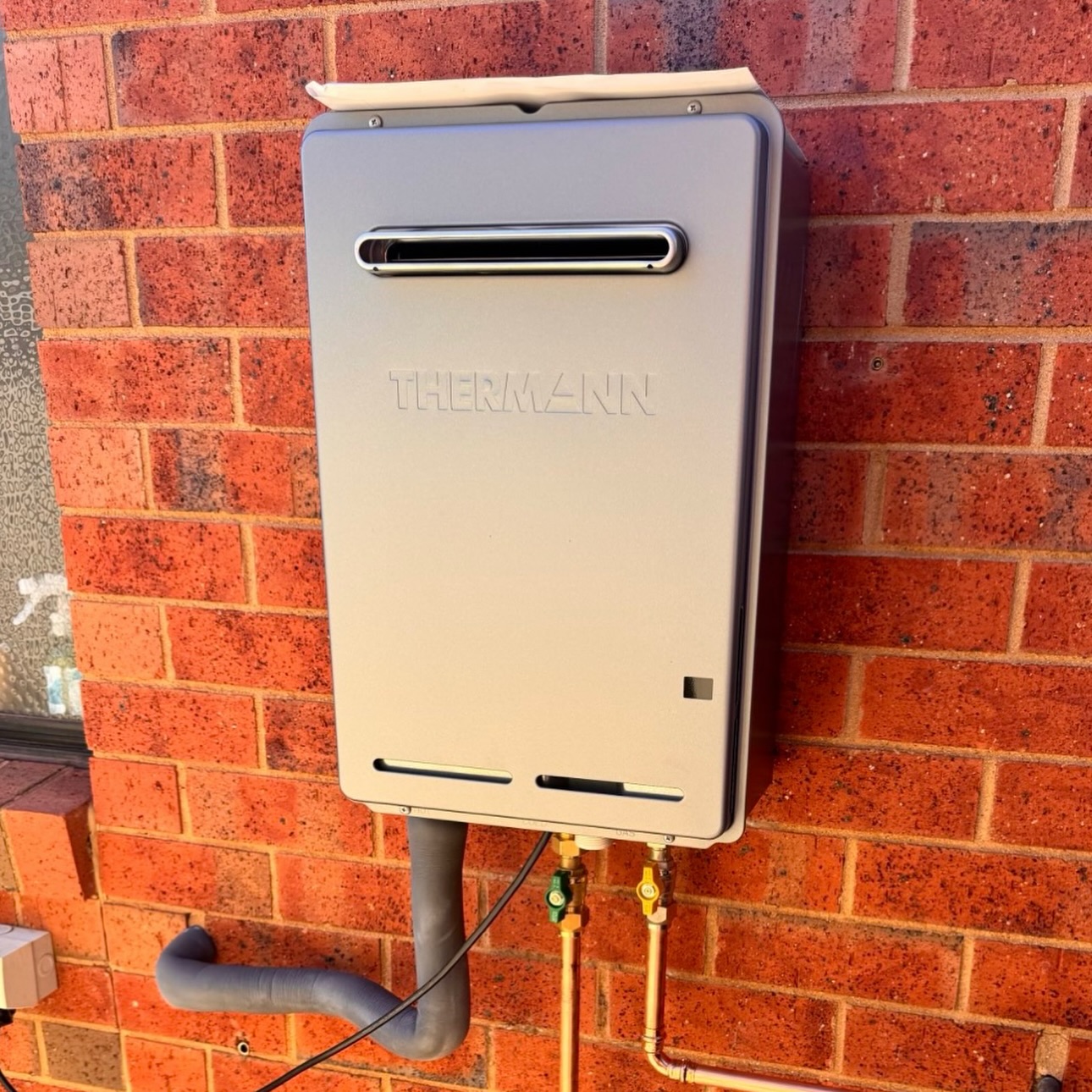
Absolutely — the type of system you have changes both the likely fault and the fix. Electric systems are straightforward to diagnose at the switchboard, but element replacement requires a licensed electrician or plumber. Gas systems involve combustion components like burners, thermocouples, and gas valves, which must only be serviced by a licensed gasfitter.
Heat pump systems are increasingly popular in Victoria thanks to their energy efficiency, but they rely on ambient air temperature to operate. During an unusually cold snap, a heat pump may struggle to keep up with demand — this is normal behaviour, not necessarily a fault. If you are unsure what type of system you have or need advice on upgrading, take a look at the heating and cooling installation services available through Blu-Stream Plumbing.
Simple Checks You Can Do Yourself Before Calling Anyone
Not every hot water system not working scenario requires a professional call-out. There are several safe checks you can perform yourself first, which may save you a service fee.
- Check the circuit breaker: Head to your switchboard and look for a tripped breaker labelled “hot water.” Reset it and wait 30–60 minutes to see if the system recovers.
- Relight the pilot light: Most gas storage systems have relighting instructions printed on the unit itself. Follow them carefully. If the pilot will not stay lit, the thermocouple is likely faulty — stop here and call a professional.
- Check your gas supply: Confirm other gas appliances in your home (like the cooktop) are working. If they are not, contact your gas distributor.
- Inspect the isolation valve: Ensure the cold water supply valve to the unit is fully open.
- Check for error codes: Many modern continuous flow and heat pump systems display fault codes on a panel. Consult your owner’s manual for what the code means.
If none of these steps resolve the issue, it is time to move on to professional help.
Hot Water System Not Working After Recent Plumbing Work?
If your hot water system stopped working shortly after a renovation or plumbing modification, the two events are almost certainly connected. Air locks in the pipework, a closed isolation valve, or disturbed connections can all interrupt hot water flow. This is a common scenario for Victorian homeowners undertaking bathroom or kitchen renovations.
For anyone planning or recovering from a renovation, it is worth reviewing what is involved in renovation plumbing to understand how your hot water system integrates with the broader plumbing network in your home.
Australian Standards and Your Hot Water System
In Australia, hot water systems must comply with AS/NZS 3500.4, which governs heated water services including temperature controls and pressure relief requirements. Victorian regulations also require that hot water be stored at a minimum of 60°C to prevent legionella bacteria growth, while being delivered at a safe temperature of no more than 50°C at the tap in most residential settings. Tampering with thermostats or TPR valves yourself may breach these standards and void your warranty — always engage a licensed tradesperson for anything beyond basic checks.
When to Call a Professional
If your hot water system is leaking, making unusual rumbling or popping noises, producing discoloured water, or has failed entirely despite your basic checks, it is time to call a licensed plumber. These signs often indicate a failing tank, a serious component fault, or a gas issue — none of which are safe to tackle without proper qualifications.
The team at Blu-Stream Plumbing services homes across Victoria, including the Shepparton and Cobram regions. Whether you need a repair, a replacement, or just a professional diagnosis, you can get in touch with Blu-Stream Plumbing to arrange a prompt inspection. Do not put up with cold showers — fast action protects both your comfort and your plumbing.
Conclusion
A hot water system not working is one of the most disruptive plumbing problems a Victorian homeowner can face, but most faults have a clear cause and a straightforward solution. Start with the simple checks — the switchboard, the pilot light, the gas supply — and escalate to a professional if the problem persists or involves leaks, unusual sounds, or gas components.
Understanding your system type, knowing the relevant Australian standards, and acting quickly all make a real difference to the outcome. For reliable, licensed hot water repairs across Victoria, Blu-Stream Plumbing is ready to help — contact the team today and get your hot water running again.
Frequently Asked Questions
Why is my hot water system not working after a power outage?
A power outage can trip the circuit breaker on your electric hot water system. Check your switchboard for a tripped breaker, reset it, and allow up to an hour for the tank to reheat. If the breaker trips again immediately, there may be a fault with the heating element or wiring that requires a licensed professional.
How long should a hot water system last in Victoria?
Most electric and gas storage hot water systems have a lifespan of 8–12 years, while continuous flow (instantaneous) systems can last 15–20 years with proper maintenance. Victoria’s water quality, usage patterns, and whether the unit is installed indoors or outdoors all affect longevity. Annual servicing can extend the life of your system significantly.
Is it safe to use my hot water system if it is making a rumbling noise?
A rumbling or popping noise usually indicates sediment build-up at the base of the tank, which causes the water beneath the sediment to overheat and boil. While not immediately dangerous, it reduces efficiency, stresses the tank lining, and can lead to failure. Have a licensed plumber inspect and flush the system as soon as possible.
Can I replace my hot water system myself in Victoria?
No. In Victoria, the installation and replacement of hot water systems must be carried out by a licensed plumber and, where gas is involved, a licensed gasfitter. Unlicensed work is illegal, may void your home insurance, and creates serious safety risks. Always engage a qualified tradesperson for any hot water system replacement. For more about what we do, visit our homepage.