

How Do Tree Roots Get Into Pipes — The Short Answer
Understanding how do tree roots get into pipes starts with one simple fact: roots follow moisture. Even the tiniest crack, loose joint, or hairline fracture in a pipe releases water vapour into the surrounding soil. Tree roots detect that moisture and grow directly toward it, eventually forcing their way inside and causing serious blockages. It happens gradually — and often silently — until the damage is already significant.
Why Victorian Homes Are Particularly Vulnerable
Victoria’s variable climate — hot, dry summers followed by wet winters — puts enormous stress on underground pipe systems. During drought periods, trees push their roots further and deeper in search of water, and your drainage pipes become an irresistible target. Older Victorian homes, many of which still have clay or concrete pipes laid decades ago, are especially susceptible because those materials deteriorate over time and develop cracks more readily than modern PVC alternatives.
If your property has established gum trees, willows, poplars, or even large ornamental trees, the risk is even higher. These species are known for aggressive root systems that can travel surprisingly long distances underground — sometimes 10 metres or more from the trunk.
The Science Behind How Tree Roots Get Into Pipes
Roots don’t punch through solid pipe walls like a drill. Instead, they exploit existing weaknesses. Here’s the typical progression:
- A small defect forms — a joint shifts slightly, a pipe settles, or corrosion creates a hairline crack.
- Moisture escapes — warm, nutrient-rich water vapour seeps into the surrounding soil.
- Fine feeder roots arrive — these hair-thin roots are drawn to the moisture source and slip through the smallest gaps.
- Roots establish inside the pipe — once inside, they have access to a constant supply of water, oxygen, and nutrients from wastewater.
- Root mass expands rapidly — the root system grows into a dense mat that traps grease, debris, and waste, eventually causing a full blockage.
- Pipe damage worsens — the pressure from expanding roots can crack pipes further, causing collapse in severe cases.
This process can unfold over months or years, which is why many homeowners don’t notice a problem until a drain backs up completely or sewage appears in unexpected places.
Warning Signs That Roots May Already Be in Your Pipes
Catching root intrusion early can save you thousands in repairs. Keep an eye out for these common indicators:
- Slow-draining sinks, showers, or bathtubs throughout the house
- Gurgling sounds coming from toilets or floor drains
- Recurring blocked drains that keep coming back despite clearing
- Unpleasant sewage odours inside or around your home
- Unusually lush or green patches of lawn above underground drain lines
- Cracks appearing in your driveway or garden paths near large trees
- Sewage backing up into floor drains or lower-level fixtures
If you’re noticing more than one of these signs at once, it’s a strong indication that root intrusion — not just a simple blockage — may be the underlying cause.
What Happens If Root Intrusion Is Left Untreated
Ignoring root intrusion in your drainage system is a costly mistake. What starts as a partial blockage can escalate into a full pipe collapse, which may require excavation and complete pipe replacement. In Victoria, property owners are responsible for maintaining the private drain lines that connect their home to the council sewer main — meaning repair costs fall on you, not the council.
Sewage leaking into the soil from a damaged pipe also poses genuine environmental and health risks. It can contaminate groundwater and create hazardous conditions in your garden, particularly if you grow edible plants. For more information on your obligations as a property owner, the Environment Protection Authority Victoria provides guidance on managing waste and protecting local waterways.
Can You Prevent Tree Root Intrusion?
Prevention is always better than cure. When planting new trees, choose species with less aggressive root systems and keep them well away from known drain lines — a minimum of three metres is a reasonable starting point, though larger species warrant even greater clearance. If you’re planning a renovation or landscaping project, it’s worth reviewing your drain installation layout beforehand so you can make informed decisions about where to plant.
Regular CCTV drain inspections — ideally every two to three years for older properties — allow a plumber to spot early-stage root intrusion before it becomes a major problem. This is one of the most cost-effective things you can do to protect your plumbing infrastructure long-term.
When to Call a Professional
If you’re experiencing recurring blockages, slow drainage across multiple fixtures, or you’ve noticed any of the warning signs listed above, it’s time to stop guessing and get a professional assessment. Root intrusion is not a DIY fix — attempting to clear roots with a hand auger without addressing the underlying pipe defect will only provide temporary relief, and the roots will return quickly.
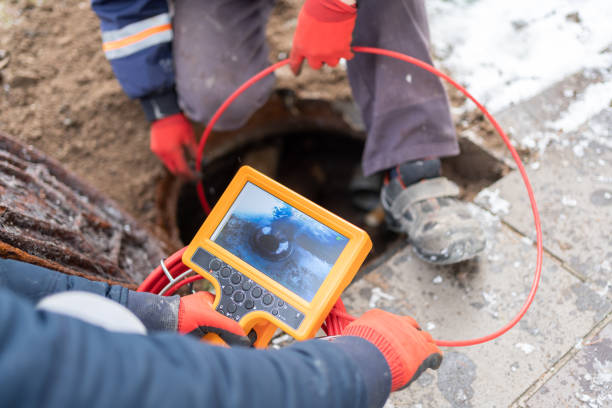
At Blu-Stream Plumbing, our team uses CCTV drain camera technology to pinpoint exactly where root intrusion has occurred and assess the extent of the damage. From high-pressure water jetting to pipe relining and full drain replacement, we carry out the right solution for your specific situation. We service homeowners across Victoria, including Shepparton and surrounding regions. Don’t wait until a small root problem becomes a sewage emergency — contact us today for an honest assessment.
Conclusion
Understanding how do tree roots get into pipes is the first step toward protecting your home’s drainage system. Roots exploit tiny cracks and loose joints, drawn in by moisture and nutrients, and they can cause serious damage long before you notice any symptoms. Victorian homeowners — especially those with older clay or concrete pipes — face a higher-than-average risk given the climate and the prevalence of established trees on residential properties.
The good news is that with regular inspections, smart landscaping choices, and prompt action when warning signs appear, root intrusion is a manageable problem. If you’re concerned about your drains, the team at Blu-Stream Plumbing is ready to help with expert diagnosis and lasting solutions.
Frequently Asked Questions
How quickly can tree roots block a pipe?
The timeline varies depending on the species of tree, the condition of the pipe, and soil moisture levels. In some cases, a partial blockage can develop within 12 to 18 months of initial root entry. In others, it may take several years. Older or already-damaged pipes tend to be colonised much faster because the entry points are larger and more accessible to roots.
Which trees are most likely to cause pipe damage in Victoria?
Willows, poplars, liquid ambers, and many eucalyptus species are well known for aggressive root systems in Victoria. However, even seemingly modest garden trees — such as fig trees and some ornamental species — can cause significant pipe damage if planted close to drainage lines. Always research the root behaviour of a species before planting near your home’s infrastructure.
Can pipe relining fix root intrusion without digging up my yard?
Yes, in many cases pipe relining is an effective no-dig solution. A flexible resin liner is inserted into the damaged pipe and cured in place, creating a smooth, jointless inner surface that roots cannot penetrate. It’s a long-lasting repair that also restores the structural integrity of the pipe. Your plumber will need to clear the roots and assess the pipe condition via CCTV camera before determining whether relining is suitable.
Is root intrusion covered by home insurance in Australia?
Generally, standard home insurance policies in Australia do not cover damage caused by tree root intrusion, as it is considered a maintenance issue rather than a sudden, unforeseen event. It’s worth reviewing your specific policy and speaking with your insurer, but most homeowners will need to cover the cost of diagnosis and repairs themselves. This is another reason why preventative inspections are such a worthwhile investment.