The Short Answer: Don’t Ignore a Dripping Tap
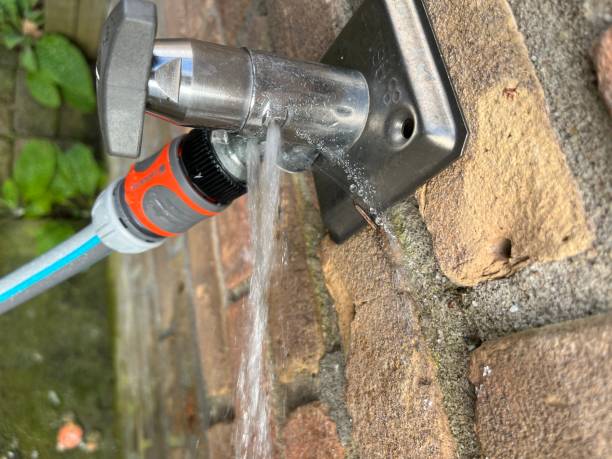
Understanding why a leaking tap should be repaired immediately comes down to three things: wasted water, rising costs, and preventable damage to your home. Even a slow, steady drip can waste thousands of litres of water per year — and in Victoria, where water conservation is a genuine community concern, that’s not something to brush aside.
Many homeowners assume a dripping tap is a minor nuisance. In reality, it’s often the first sign of a larger plumbing issue developing behind the scenes.
How Much Water Does a Leaking Tap Actually Waste?
It’s easy to underestimate just how much water a leaking tap loses over time. A tap dripping once per second wastes roughly 31 litres per day — that’s over 11,000 litres per year from a single tap.
Victoria’s water authorities have long encouraged residents to reduce household water consumption, particularly during dry summers and drought conditions across regional areas like the Goulburn Valley. Wasting water through a faulty tap washer or worn O-ring isn’t just bad for your wallet — it works against broader conservation efforts your community depends on.
If you have multiple leaking taps in your home, that figure multiplies quickly. Checking all taps regularly, including outdoor taps and laundry connections, is a smart habit to develop.
Why a Leaking Tap Should Be Repaired Immediately: The Hidden Costs
Your water bill is the most obvious financial impact, but it’s not the only one. Constant moisture around tap bases, under sinks, and behind walls creates the perfect conditions for mould growth, timber rot, and structural deterioration.
In Victorian homes — particularly older weatherboard or brick veneer properties — water ingress from a poorly maintained tap can silently damage cabinetry, flooring, and wall linings over months or years. By the time you notice the problem, the repair bill can be far greater than the original tap fix would have cost.
There’s also the issue of water pressure. A leaking tap can sometimes indicate a broader pressure problem within your plumbing system. Left unaddressed, excessive water pressure can stress pipe joints and fittings throughout your home, increasing the risk of a burst pipe — especially during Victoria’s hot summer months when pressure fluctuations are more common.
Common Causes of a Leaking Tap
Most leaking taps in Australian homes come down to a handful of well-known causes. Knowing what you’re dealing with helps you decide whether it’s a straightforward DIY fix or a job for a licensed plumber.
- Worn tap washers: The most common culprit in older-style compression taps. Washers degrade over time with regular use.
- Damaged O-rings: Found in ball-type and cartridge taps, O-rings can crack or perish, causing leaks around the tap body or spout.
- Faulty cartridges: Ceramic disc cartridges are durable but not indestructible — sediment or mineral build-up can cause them to fail.
- Corroded valve seats: The valve seat connects the tap and the spout. Corrosion here leads to persistent dripping even after washer replacement.
- Loose packing nuts: These can work loose over time, causing leaks around the tap stem.
Some of these repairs — like replacing a tap washer — are within the capability of a confident DIYer. However, under Australian plumbing regulations, any work involving the water supply system beyond basic maintenance must be carried out by a licensed plumber. In Victoria, this is governed by the Victorian Building Authority (VBA), which licenses and regulates plumbing work across the state.
Water Damage and Mould: The Risks That Build Over Time
A dripping tap might seem harmless, but persistent moisture is one of the leading contributors to mould growth in Australian homes. Mould doesn’t just look unsightly — it poses real health risks, particularly for children, the elderly, and anyone with respiratory conditions.
Under-sink cupboards are especially vulnerable. The enclosed space traps moisture, and if a tap or supply line is weeping slowly, you may not notice until the base of the cabinet has already begun to rot. Addressing leaks early is one of the most effective ways to protect your home’s interior. You can find more helpful advice on our plumbing blog covering common household issues like this one.
Simple Checks You Can Do Yourself
Before calling a plumber, there are a few things you can inspect yourself without touching the water supply.
- Turn off all water-using appliances and note your water meter reading.
- Wait 30 minutes without using any water, then check the meter again.
- If the reading has changed, you likely have a leak somewhere in your system.
- Visually inspect all tap bases, under-sink areas, and outdoor taps for moisture or staining.
- Listen for dripping sounds when the house is quiet, particularly at night.
These checks cost you nothing and can help you identify a problem early — or give your plumber useful information before they arrive.
When to Call a Professional
If your tap continues to drip after you’ve replaced the washer, if you notice water staining on walls or ceilings near plumbing fixtures, or if you’re unsure about the cause of the leak, it’s time to call a licensed plumber. Attempting complex repairs without the right qualifications can void your home insurance and create compliance issues under Victorian plumbing regulations.
The team at Blustream Plumbing provides professional tap repairs and full plumbing services across Victoria, including Shepparton, Mooroopna, Tatura, and surrounding areas. Whether it’s a stubborn dripping tap or a more complex leak, getting it sorted quickly will save you money and stress in the long run. Don’t put it off — contact Blustream Plumbing today for prompt, reliable service.
Conclusion
A leaking tap is never just a small inconvenience. From wasted water and inflated bills to mould, structural damage, and potential compliance issues, the reasons why a leaking tap should be repaired immediately are clear and compelling. The sooner you act, the less it will cost you — financially and in terms of damage to your home.
Start with a visual inspection and a meter check. If the problem persists or you’re not comfortable with the repair, reach out to a licensed professional. Prompt action today protects your home, your health, and your hip pocket well into the future.
Frequently Asked Questions
How much water can a leaking tap waste in a year?
A tap dripping at just one drip per second can waste more than 11,000 litres of water per year. With multiple leaking taps, that figure increases significantly — adding up on your water bill and contributing to unnecessary water waste across Victoria.
Can I replace a tap washer myself in Victoria?
Replacing a tap washer is generally considered basic maintenance and can be done by a competent DIYer. However, any work that involves modifying or connecting to the water supply system must be carried out by a licensed plumber under Victorian regulations overseen by the Victorian Building Authority (VBA).
What damage can a leaking tap cause if left too long?
Persistent leaks can cause mould growth, rot in timber cabinetry and flooring, water staining on walls and ceilings, and even structural damage over time. In some cases, ongoing pressure issues linked to leaking taps can also contribute to burst pipes — particularly during Victoria’s hot summers.
How do I know if my tap leak is a sign of a bigger plumbing problem?
If replacing the washer or cartridge doesn’t stop the drip, or if you notice low water pressure, discoloured water, or moisture appearing in unexpected places, these can be signs of a more serious underlying issue. A licensed plumber can carry out a thorough inspection to identify and resolve the root cause.