

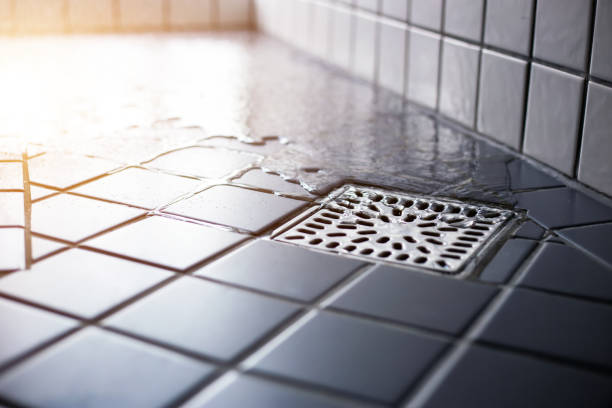
The Quick Answer: What to Pour Down a Blocked Drain
Knowing what to pour down a blocked drain can save you time, money, and a plumbing emergency. For most minor blockages, a combination of boiling water, bicarbonate of soda, and white vinegar is the safest and most effective starting point. These household solutions work well on grease, soap scum, and light organic build-up commonly found in Victorian homes.
Why Drains Block in the First Place
Before you reach for anything under the sink, it helps to understand what’s actually causing the problem. In Victoria’s older housing stock — particularly the Federation and post-war homes common across Shepparton, Mooroopna, and Tatura — drain pipes are often narrower and more prone to build-up than modern PVC systems.
The most common culprits include:
- Grease and cooking oil solidifying inside kitchen drain pipes
- Hair and soap scum accumulating in bathroom and laundry drains
- Toothpaste, conditioner, and product residue coating pipe walls
- Tree roots infiltrating older clay or concrete stormwater lines
- Foreign objects flushed or dropped into toilet drains
Identifying the likely cause helps you choose the right solution — and avoid making the blockage worse.
What to Pour Down a Blocked Drain: Safe Home Remedies
Boiling Water
This is your first port of call for kitchen drains blocked by grease or soap residue. Carefully pour a full kettle of boiling water directly down the drain in two or three stages, allowing it to work for a few seconds between each pour. This method is safe for metal pipes but avoid using it on PVC pipes, as sustained heat can soften the joints over time.
Bicarbonate of Soda and White Vinegar
This classic combination creates a fizzing reaction that can dislodge light blockages and neutralise odours. Pour half a cup of bicarbonate of soda down the drain first, followed by half a cup of white vinegar. Cover the drain opening to direct the fizzing action downward, wait 15–20 minutes, then flush with hot water. It’s completely safe for your pipes, your family, and the environment.
Dish Soap and Hot Water
For greasy kitchen sink blockages, squirt a generous amount of dish soap down the drain and follow it with a litre or two of hot (not boiling) water. The surfactants in the dish soap help break down fatty deposits clinging to pipe walls. This works especially well as a follow-up treatment after the bicarbonate of soda method.
Enzyme-Based Drain Cleaners
Available at most Victorian hardware stores, enzyme-based drain cleaners use natural bacteria to break down organic matter over several hours. They’re a gentler, eco-friendlier alternative to chemical products and are safe for septic systems — an important consideration if your property uses a septic tank rather than mains sewer. For more information on what’s safe to put into your drainage system, the Environment Protection Authority Victoria provides guidance on household waste and wastewater.
What NOT to Pour Down a Blocked Drain
Just as important as knowing what works is knowing what to avoid. Many Victorians reach for caustic chemical drain cleaners like sodium hydroxide (caustic soda) products, but these carry real risks. They can corrode older metal pipes, damage rubber seals, and create dangerous chemical reactions if mixed with other cleaning products already in the drain.
Never pour the following down your drains:
- Cooking oil or fat (this is what causes the blockage, not clears it)
- Bleach combined with other chemical cleaners
- Paint, solvents, or harsh industrial chemicals
- Cement, plaster, or grout — even in small amounts
If you’re renovating and concerned about protecting your pipework, it’s worth reading about renovation plumbing in Mooroopna to understand how pipe systems are managed during building works.
Drain Maintenance Tips to Prevent Future Blockages
Prevention is always easier than the cure. Running hot water down your kitchen drain for 30 seconds after each use helps flush away grease before it solidifies. Installing a hair catcher over your bathroom drain takes seconds but can prevent hours of frustration.
For households on older properties across regional Victoria, scheduling a periodic drain inspection is a smart investment. A CCTV drain inspection can identify partial blockages, root intrusion, or pipe damage before they become full emergencies. You can explore the full range of options through blocked drain services in Shepparton if you’d like a professional assessment.
When to Call a Professional
Home remedies are great for minor, surface-level blockages — but they have real limits. If you’ve tried the methods above and water is still draining slowly or not at all, it’s time to call a licensed plumber. The same applies if you notice gurgling sounds from multiple fixtures, foul smells persisting after treatment, or water backing up into other drains.
These signs often indicate a deeper blockage in your main drain line, root infiltration, or a collapsed pipe section — none of which can be resolved by anything you pour down the drain. Attempting to force the issue with repeated chemical treatments can actually damage your pipes further and turn a manageable repair into a costly replacement.
The team at Blustream Plumbing services homes and businesses across Victoria, including Shepparton, Tatura, Mooroopna, and surrounding areas. If your drain isn’t responding to home treatment, get in touch with Blustream Plumbing for a fast, professional diagnosis.
Conclusion
Understanding what to pour down a blocked drain means you can tackle minor issues confidently without waiting for a plumber or reaching for harsh chemicals. Start with boiling water or the bicarbonate of soda and vinegar method, avoid caustic products, and maintain your drains regularly to reduce the chance of blockages returning.
For stubborn or recurring blockages, don’t delay — a small problem in your drain line can escalate quickly, especially in older Victorian properties. Reach out to the professionals at Blustream Plumbing’s Shepparton plumbing services for expert help you can trust.
Frequently Asked Questions
Is it safe to pour boiling water down a PVC drain pipe?
It’s best to avoid pouring fully boiling water into PVC drain pipes repeatedly, as sustained high heat can soften the pipe material and loosen joints over time. Use very hot tap water instead, or limit boiling water to metal pipes such as those found in older Victorian homes.
How often should I use the bicarbonate of soda and vinegar method?
Using this method once a month as a preventative measure is a great habit, particularly for kitchen and bathroom drains. It helps break down build-up before it becomes a blockage and keeps drain odours under control without any risk to your pipes or the environment.
Can I use chemical drain cleaners if home remedies don’t work?
Chemical drain cleaners can shift some blockages, but they come with risks — particularly for older pipes, rubber seals, and households on septic systems. If home remedies haven’t worked, it’s generally safer and more effective to call a licensed plumber rather than escalate to harsh chemicals that may cause further damage.
What causes drains to block repeatedly in the same spot?
Recurring blockages in the same drain usually indicate an underlying issue such as a partial pipe collapse, tree root intrusion, or a build-up of scale inside the pipe that home treatments can’t fully remove. A CCTV drain inspection is the most reliable way to identify the root cause and determine the right fix. For more about what we do, visit our homepage.