Plumbing emergencies can strike at any time, disrupting daily life and potentially causing significant damage to your home. Many Australian homeowners are unsure what is considered a plumbing emergency, when immediate action is required, and how to respond effectively. Blu Stream Plumbing provides expert guidance to help you identify urgent plumbing situations, understand the risks, and take appropriate steps. In this guide, we’ll explore common plumbing emergencies, early warning signs, DIY precautions, and professional intervention to protect your property and maintain safe water systems.
Understanding Plumbing Emergencies
A plumbing emergency is any situation where immediate attention is required to prevent serious property damage, health hazards, or complete disruption of water services. These emergencies often involve uncontrolled water flow, blocked drains, or compromised hot water systems. The severity can vary depending on the type of fixture, the location of the issue, and the potential for flooding or contamination.
Key factors that define a plumbing emergency include:
- Risk of water damage: Burst pipes or leaking mains that can flood rooms or weaken structures.
- Health risks: Sewage leaks or contaminated water that pose a risk to residents.
- Interruption of essential services: Loss of potable water, blocked toilets, or non-functioning hot water systems.
- Fire and electrical hazards: Water interacting with electrical systems can be life-threatening.
Blu Stream Plumbing emphasises that prompt identification and action can minimise damage and repair costs.
Common Types of Plumbing Emergencies
Understanding typical emergency scenarios helps homeowners respond appropriately. Common plumbing emergencies in Australian homes include:
Burst Pipes
Burst pipes often occur due to:
- Frozen or stressed pipes in colder regions or winter months
- Corrosion in older pipes
- High water pressure or sudden impact
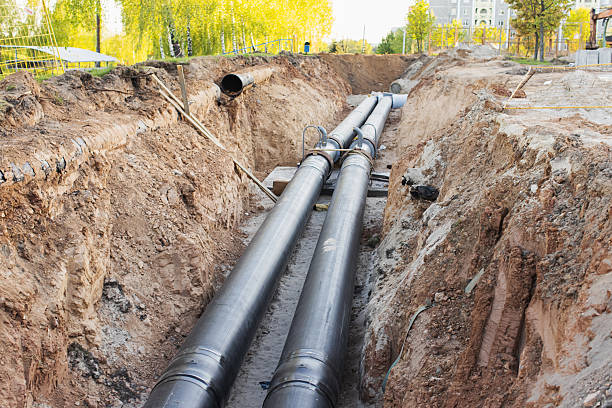
- Tree root intrusion damaging underground pipes
Burst pipes can cause rapid flooding, damage to flooring, walls, and ceilings, and require immediate shut-off of the water supply.
Blocked Drains
Severe blockages can escalate into plumbing emergencies, particularly when they involve:
- Main sewer line backups
- Flooding toilets or sinks
- Contaminated waste water flowing into living spaces
Blu Stream Plumbing uses CCTV inspections and high-pressure water jetting to quickly resolve these issues and restore safe drainage.
Gas or Hot Water Emergencies
Hot water systems or gas-related plumbing issues can be critical:
- Leaking hot water systems can scald occupants or cause water damage.
- Malfunctioning gas taps or appliances (if connected to water services) present fire and explosion hazards.
While this guide focuses on water plumbing, Blu Stream Plumbing ensures all associated systems are safely inspected during emergencies.
Water Supply Interruptions
Unexpected loss of water due to:
- Broken mains or leaks in supply lines
- Valve failures or pressure issues
These events are considered emergencies if they compromise daily life, hygiene, or safety.
Sewage Backups
Sewage backflow poses serious health risks:
- Contact with contaminated water can cause illness
- May result from blocked sewer lines or damaged pipes
Prompt action from professionals is critical to mitigate both health and property damage.
Early Warning Signs of a Plumbing Emergency
Identifying emergencies early can prevent significant damage. Look for these warning signs:
- Sudden gushing water from pipes or fixtures
- Overflowing toilets or drains
- Persistent water hammer or unusual pipe noises
- Foul odours indicating sewage leaks
- Water pooling around walls, ceilings, or foundations
Blu Stream Plumbing recommends taking immediate action when these signs appear, including shutting off the water supply and contacting professionals.
Immediate Steps to Take During an Emergency
While waiting for professional assistance, homeowners can take measures to reduce damage:
- Shut off the main water supply to stop flooding.
- Turn off electricity if water is near electrical outlets or appliances.
- Contain water using buckets, towels, or sandbags where possible.
- Avoid using blocked drains to prevent backflow.
- Document the situation for insurance purposes, including photos and videos.
These steps help control the situation while Blu Stream Plumbing responds promptly with emergency repair services.
DIY Solutions and Precautions
For minor issues, temporary DIY solutions may be effective:
- Clogged sinks or toilets: Use a plunger or manual drain snake to relieve minor blockages.
- Small leaks: Apply pipe tape or temporary sealants as a short-term measure.
However, attempting to fix severe emergencies, such as burst mains or sewage backups, without professional tools and expertise can worsen damage. Blu Stream Plumbing recommends professional intervention for all major incidents.
Professional Emergency Plumbing Services
Blu Stream Plumbing offers comprehensive emergency services across Australia, including:
- 24/7 rapid response: Immediate assistance for urgent issues.
- Pipe repair and replacement: Addressing burst or corroded pipes.
- Drain clearing and CCTV inspection: Locating and resolving blockages efficiently.
- Hot water system repairs: Ensuring safe and functional water heating.
- Sewage and backflow management: Safe removal of contaminated water.
Professional intervention ensures compliance with Australian plumbing standards and protects your home from further damage.
Preventative Measures for Homeowners
Preventing emergencies is often more cost-effective than repairs. Key measures include:
- Regular inspections: Routine checks for leaks, pipe integrity, and valve functionality.
- Drain maintenance: Avoid flushing grease, hair, or foreign objects.
- Water pressure monitoring: Ensure pressure is within safe limits for your plumbing system.
- Hot water system servicing: Regular servicing reduces risk of leaks or failure.
- Tree root management: Prevent root intrusion into underground pipes.
Blu Stream Plumbing offers preventative maintenance programs to reduce the likelihood of urgent plumbing issues.
Understanding Insurance and Emergency Claims
In Australia, homeowners’ insurance policies may cover certain plumbing emergencies, particularly water damage from burst pipes or supply line failures. Documenting the emergency, taking immediate containment measures, and contacting your insurer promptly is essential. Blu Stream Plumbing can provide detailed reports and photographs to support claims.
Health and Safety Considerations
Plumbing emergencies can pose health risks:
- Contaminated water exposure can cause illness.
- Flooding may lead to mould growth and structural damage.
- Electrical hazards are a concern when water contacts power outlets.
Blu Stream Plumbing prioritises safety in all emergency interventions, using protective equipment and industry-standard procedures.
When to Call Blu Stream Plumbing
Call Blu Stream Plumbing immediately if you experience:
- Major leaks or flooding
- Sewage backups or strong odours
- Burst pipes affecting multiple areas
- Loss of hot water or water pressure
- Water near electrical outlets
Early intervention reduces property damage, maintains safety, and ensures fast, effective repair.
Conclusion
Knowing what is considered a plumbing emergency equips homeowners to act swiftly, reduce damage, and protect health and property. From burst pipes and blocked drains to sewage backups and hot water failures, Blu Stream Plumbing offers expert emergency response across Australia. Understanding warning signs, implementing immediate precautions, and seeking professional assistance ensures your plumbing system remains safe and reliable. Prompt action today can save significant stress and cost tomorrow.
FAQ
Q1: How quickly should I respond to a plumbing emergency?
Immediate action is critical; shut off water and contact a professional like Blu Stream Plumbing as soon as possible.
Q2: Are all leaks considered emergencies?
Minor leaks may not require urgent attention, but persistent, large, or hidden leaks are treated as emergencies.
Q3: Can I handle a burst pipe myself?
Temporary containment is possible, but full repair should be performed by a licensed plumber to avoid further damage.
Q4: How do I prevent future plumbing emergencies?
Routine maintenance, inspections, proper waste disposal, and monitoring water pressure are key preventative measures.