

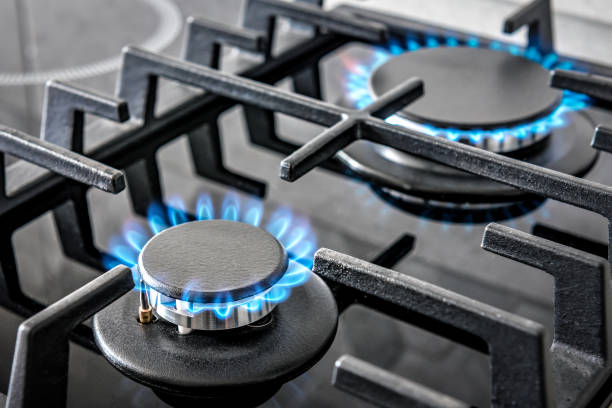
The Quick Answer: Can You Relight a Pilot Light Without an Igniter?
Yes, you can relight a pilot light on your water heater without an igniter — and it’s a task most Victorian homeowners can handle safely at home. The process involves turning off the gas, waiting for any residual gas to clear, then using a long-reach lighter or match to manually ignite the pilot flame while holding down the pilot button. Done correctly, it takes less than ten minutes.
Why Does a Pilot Light Go Out?
Before you dive into relighting, it helps to understand why the pilot light went out in the first place. Common causes include a sudden draught, a brief interruption to your gas supply, or a dirty thermocouple that can no longer sense the flame properly.
In Victoria, windy weather — particularly during autumn and spring — can cause pilot lights to extinguish on outdoor or poorly ventilated units. If your pilot light keeps going out repeatedly, that’s a sign of an underlying issue rather than a one-off event.
What You’ll Need Before You Start
Gathering your tools beforehand makes the process much smoother. Here’s what you’ll need:
- A long-reach barbecue lighter or long matches (never use a standard short lighter)
- A torch or phone light to see inside the access panel
- Your water heater’s manufacturer manual (check inside the cabinet door if you’ve lost the original)
- A few minutes of patience — rushing is the most common cause of mistakes
Make sure the area around your hot water system is clear and well-ventilated before you begin. If you smell a strong gas odour at any point, stop immediately, leave the area, and call your gas supplier’s emergency line.
How to Relight a Pilot Light on Your Water Heater Without an Igniter: Step-by-Step
This guide covers the standard manual relighting process for storage gas water heaters commonly found in Victorian homes. Always cross-reference with your unit’s specific instructions.
- Turn the gas control knob to “OFF”. This is typically a dial located on the gas valve assembly near the base of the unit. Wait a full five minutes for any residual gas to dissipate before proceeding.
- Locate the pilot assembly. Remove the access panel at the base of the water heater. Use your torch to find the small pilot tube — it’s usually a thin copper or steel tube leading to the burner area.
- Set the control knob to “PILOT”. Press and hold the pilot button (or push the control knob down, depending on your model). This opens the gas valve to the pilot tube only.
- Bring the flame to the pilot opening. With your long-reach lighter or lit match, position the flame at the end of the pilot tube while continuing to hold down the pilot button.
- Keep holding the button for 30–60 seconds. Once the pilot ignites, maintain pressure on the button to heat the thermocouple. This small sensor needs time to register the flame before it will allow gas to flow freely.
- Slowly release the button. If the flame stays lit, you’ve succeeded. Turn the control knob from “PILOT” to your desired temperature setting.
- Replace the access panel and monitor the unit for the next 20–30 minutes to confirm it’s heating normally.
If the pilot light won’t stay lit after two or three attempts, do not keep trying. A repeatedly failing pilot is often a sign of a faulty thermocouple or a gas pressure issue — both of which need professional attention. You can read more helpful tips on our plumbing blog for further guidance on common hot water problems.
Understanding the Thermocouple’s Role
The thermocouple is a small but critical safety device. It generates a tiny electrical current when heated by the pilot flame, which signals the gas valve to stay open. If the thermocouple is dirty, bent, or worn out, it won’t hold the valve open — and your pilot light will go out every time you release the button.
Thermocouples are relatively inexpensive and can be replaced by a licensed gasfitter. According to Australian Standard AS 5601, all gas appliance work beyond basic user maintenance must be carried out by a licensed gas practitioner. If you suspect your thermocouple is the culprit, it’s time to call in a professional rather than attempting the replacement yourself.
For any gas-related work in Victoria, our licensed gasfitter services cover everything from thermocouple replacements to full hot water system assessments.
Safety Tips Every Victorian Homeowner Should Know
Working around gas appliances requires a calm, methodical approach. Keep these safety principles in mind:
- Never use a naked flame to search for a gas leak — use soapy water on connections instead
- Ensure the room is ventilated before and during the relighting process
- If you smell gas after the pilot is lit, turn off the gas supply at the metre immediately
- Keep children and pets away from the work area
- Do not attempt this process if you have any doubts about your gas system’s condition
When to Call a Professional
There are situations where relighting the pilot yourself isn’t the right call. If the pilot light won’t stay lit after multiple attempts, if you notice a yellow or orange flame instead of blue, if there’s a sulphur or rotten-egg smell near the unit, or if your hot water system is more than 10–12 years old, it’s time to get a qualified plumber involved.
The team at Blu-Stream Plumbing services homeowners across Victoria, including Shepparton and Cobram, and can diagnose pilot light issues, faulty thermocouples, and gas valve problems quickly and safely. Don’t risk your family’s safety — contact Blu-Stream Plumbing today for a prompt, professional assessment.
Conclusion
Knowing how to relight a pilot light on your water heater without an igniter is a genuinely useful skill for Victorian homeowners. With the right tools, a careful approach, and an understanding of when to stop and call for help, you can often restore your hot water in under ten minutes. Always prioritise safety over speed, and remember that gas appliance repairs beyond basic maintenance must be handled by a licensed professional under Australian standards.
If you’re ever unsure, or if the problem keeps recurring, don’t hesitate to reach out to a qualified local plumber. A quick call now can prevent a much bigger — and more expensive — problem later.
Frequently Asked Questions
Is it safe to relight a pilot light on a water heater yourself?
Yes, relighting a pilot light is considered basic user maintenance and is safe when done correctly. The key is to wait at least five minutes after turning the gas off before attempting ignition, use a long-reach lighter, and never proceed if you can smell gas in the area.
Why won’t my pilot light stay lit after I relight it?
The most common reason is a faulty or dirty thermocouple. This small sensor needs to detect heat from the pilot flame to keep the gas valve open. If you’re releasing the pilot button and the flame immediately goes out, the thermocouple likely needs cleaning or replacement by a licensed gasfitter.
How long should I hold the pilot button down when relighting?
You should hold the pilot button down for at least 30 to 60 seconds after the pilot flame ignites. This gives the thermocouple enough time to heat up and generate the signal needed to keep the gas valve open. Releasing it too quickly is the most common reason the flame goes out again.
When does a pilot light issue mean I need a new hot water system?
If your hot water system is over 10–12 years old and experiencing repeated pilot light failures, it may be more cost-effective to replace the unit than continue repairing it. A licensed plumber can assess whether repair or replacement is the better option for your situation and budget. For more about what we do, visit our homepage.