

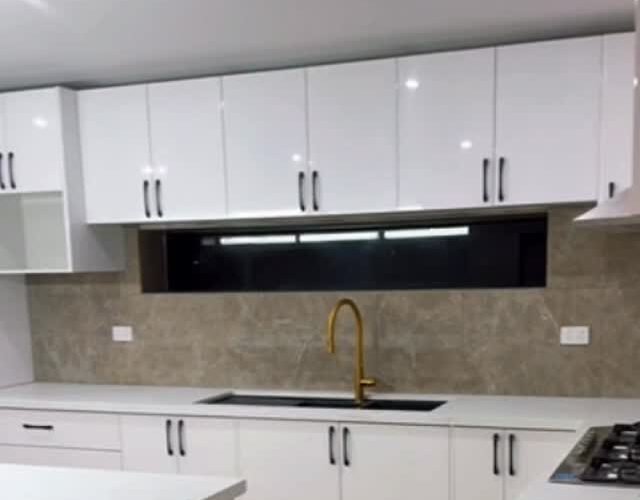
What You Need to Know Before Moving Your Kitchen Sink
Understanding how to move kitchen sink plumbing starts with one key fact: in Victoria, any work that involves connecting or altering water supply lines or drainage must be carried out by a licensed plumber. This isn’t just a technicality — it’s a legal requirement under the Victorian Building Authority’s plumbing licensing framework. Knowing what’s involved helps you plan smarter, budget accurately, and avoid costly mistakes.
Kitchen renovations are one of the most popular home improvement projects across Victoria. Whether you’re opening up a galley kitchen in a Federation-era home in Bendigo or redesigning a modern open-plan layout in Shepparton, relocating the sink is often central to the new design. But it’s rarely as simple as it looks.
Why Moving a Kitchen Sink Is More Complex Than It Appears
Your kitchen sink connects to three separate systems: the hot water supply, the cold water supply, and the drainage/waste system. Moving the sink means rerouting all three. The drainage side is usually the most challenging, because gravity does the work — your waste pipe must maintain a consistent fall (typically 1:40 gradient) back to the main drain stack or sewer connection.
In older Victorian homes, cast iron or galvanised steel pipes are common. These can be brittle, corroded, or non-compliant with current Australian Standards (AS/NZS 3500), which adds complexity and cost to any relocation job. A thorough inspection before work begins is essential.
How to Move Kitchen Sink Plumbing: Step-by-Step Overview
While the actual licensed work must be completed by a qualified tradesperson, understanding the process helps you communicate clearly with your plumber and make informed decisions. Here’s a general overview of what’s involved when you move kitchen sink plumbing:
- Plan the new sink location: Consider proximity to the existing drain stack, wall cavities for pipe runs, and bench layout. Moving the sink further from the stack increases complexity significantly.
- Shut off the water supply: The mains or zone isolation valve is turned off before any disconnection begins.
- Disconnect existing supply and waste lines: The hot and cold flexible hoses are removed, and the P-trap and waste pipe are disconnected from the wall or floor.
- Reroute water supply lines: New copper or PEX pipework is run through wall cavities or under the floor to the new sink position, with isolation taps fitted at the termination point.
- Reroute the waste and drainage: This is the most critical step. The new drain must maintain the correct fall back to the existing waste connection, often requiring work under the floor or through cabinetry.
- Install new fixtures and connections: The sink, mixer tap, and waste fittings are installed and connected to the new supply and drain lines.
- Test and inspect: All connections are pressure-tested and checked for leaks. In Victoria, a Certificate of Compliance (plumbing) is issued by the licensed plumber upon completion.
Key Factors That Affect Cost and Complexity in Victoria
The cost of moving a kitchen sink in Victoria varies widely depending on several factors. Distance from the existing drain stack is the biggest driver — even moving the sink half a metre in the wrong direction can require significant drainage rerouting. Access to sub-floor space, the age of your existing pipework, and whether you’re moving the sink to an island bench (which requires floor penetrations) all add to the scope.
If your renovation also involves changes to your hot water system or you’re considering adding a water filtration system at the new sink location, these can often be bundled into the same job to reduce overall labour costs. Planning ahead pays off.
For homes on slab foundations — increasingly common in newer Victorian estates — moving drainage is significantly more involved. Breaking into a concrete slab requires careful planning, and you’ll need a licensed plumber who understands slab work. Don’t underestimate this aspect when budgeting your renovation.
DIY vs Licensed Plumber: What Can You Actually Do Yourself?
In Victoria, homeowners can legally perform very limited plumbing tasks — generally confined to replacing tap washers or shower roses. Any work involving the water supply system, drainage, or waste connections must be done by a licensed plumber. Attempting unlicensed plumbing work can void your home insurance, create issues when selling, and result in significant fines.
What you can do is prepare the space. Clearing out cabinetry, removing old bench tops, and having a clear idea of your new kitchen layout ready to discuss with your tradesperson will save time and money on the day. Good preparation is genuinely valuable.
You can also explore more about what’s involved in broader kitchen and bathroom projects by visiting the renovation plumbing services page for a clearer picture of what a full-service renovation plumber handles.
When to Call a Professional
If you’re planning a kitchen renovation that involves relocating your sink — even by a small distance — it’s time to call a licensed plumber before you commit to any cabinetry or bench top orders. Getting the plumbing scoped early prevents expensive redesigns later.
The team at Blu-Stream Plumbing works with Victorian homeowners and renovators across the region, providing honest assessments, upfront quotes, and compliant workmanship backed by a Certificate of Compliance. Whether your project is straightforward or involves complex drainage rerouting, getting a professional assessment early is always the right move.
Don’t leave it until the cabinets are already installed. Contact Blu-Stream Plumbing today to discuss your kitchen renovation and get an accurate scope of works before any commitments are made.
Conclusion
Knowing how to move kitchen sink plumbing — and understanding what’s legally required in Victoria — puts you in a far stronger position as a renovator. The process involves rerouting hot and cold water supply lines, rerouting drainage with the correct fall, and ensuring all work is completed by a licensed plumber who issues a Certificate of Compliance.
Plan your new sink position carefully, consider drainage access early, and get a professional scope before finalising your kitchen design. Blu-Stream Plumbing is ready to help Victorian renovators get it right the first time — reach out today and make your kitchen renovation a success.
Frequently Asked Questions
Can I move my kitchen sink myself in Victoria?
No. In Victoria, any work involving water supply lines, drainage connections, or waste plumbing must be completed by a licensed plumber. Unlicensed plumbing work can void your home insurance and result in fines under Victorian building regulations. A licensed plumber will also issue a Certificate of Compliance upon completion.
How far can you move a kitchen sink from the existing drain?
There’s no fixed maximum distance, but the further the sink moves from the existing drain stack, the more complex and costly the job becomes. The waste pipe must maintain a minimum fall of 1:40 (as per AS/NZS 3500) back to the drain connection, which limits how far the pipe can run horizontally, especially in homes with limited sub-floor clearance.
How much does it cost to move a kitchen sink in Victoria?
Costs vary depending on the distance of the move, access to pipework, the age of existing pipes, and whether the home is on a slab or has sub-floor access. A straightforward relocation might start from around $800–$1,500, while complex jobs involving slab penetration or significant drainage rerouting can exceed $3,000. Always get a detailed quote from a licensed plumber before committing.
Do I need a permit to move kitchen plumbing in Victoria?
Most standard plumbing work in Victoria requires a Certificate of Compliance issued by the licensed plumber, rather than a separate building permit. However, if your kitchen renovation is part of a larger structural project, a building permit may also be required. Your licensed plumber and builder can advise on what applies to your specific project.