What to Do When a Pipe Bursts in Your Home
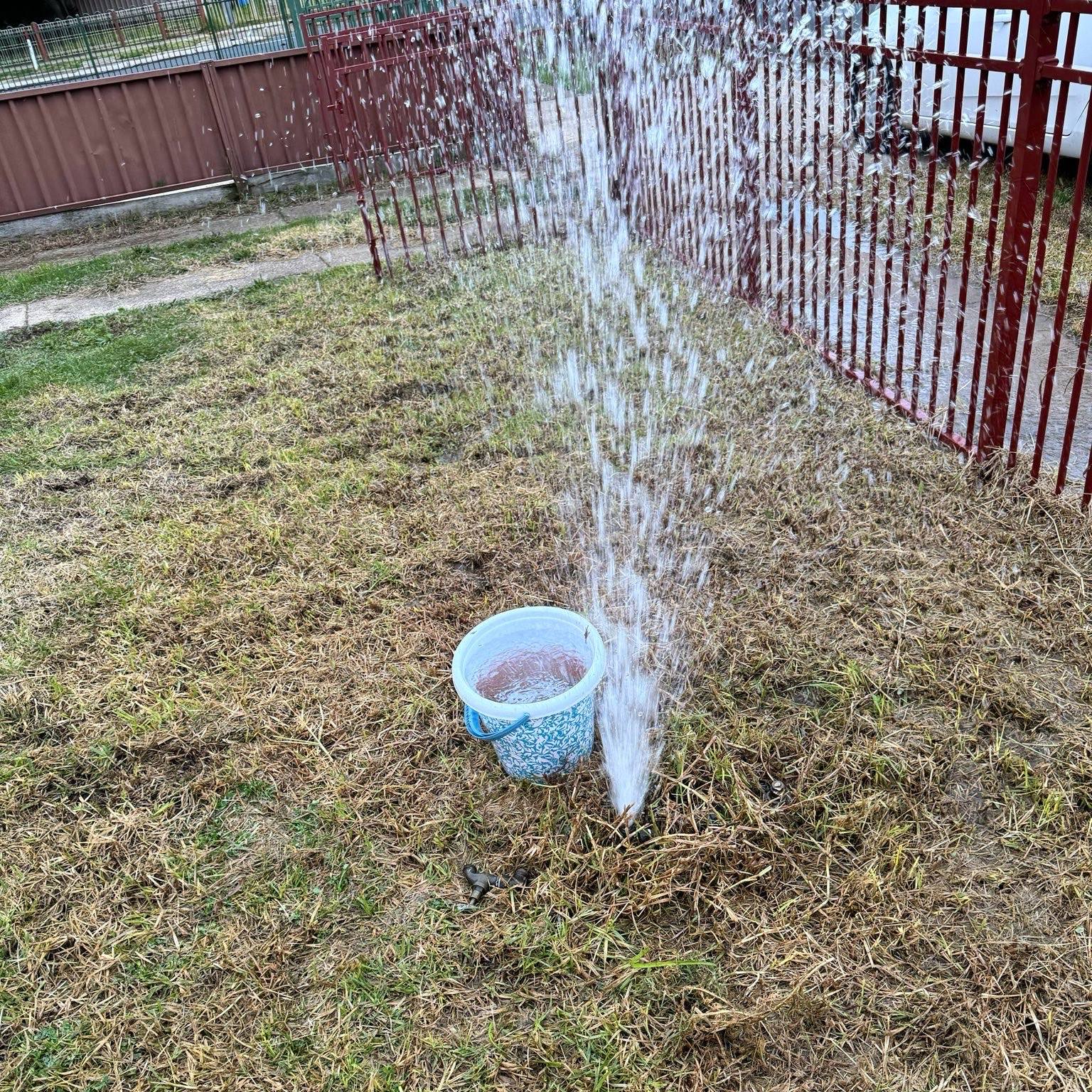
Knowing how to fix a burst pipe can save your Victorian home from thousands of dollars in water damage. Turn off your main water supply immediately, contain the leak with towels or buckets, and assess the damage before attempting any repair. Acting within the first few minutes dramatically reduces the risk of structural damage, mould, and electrical hazards.
Burst pipes are more common in Victoria than many homeowners realise. Cold snaps in regional areas, ageing copper pipework in older homes, and sudden pressure surges can all cause pipes to split or crack without warning. Whether you’re dealing with a minor pinhole leak or a fully ruptured section, understanding the right steps puts you in control.
Why Pipes Burst in Victorian Homes
Victoria’s climate swings between scorching summers and cold winters, particularly in regional areas like the Goulburn Valley and the High Country. These temperature extremes cause pipe materials to expand and contract repeatedly, weakening joints and fittings over time.
Other common causes include:
- Corrosion in older galvanised steel or copper pipes
- Tree root intrusion into underground supply lines
- High water pressure exceeding the recommended 500 kPa limit under AS/NZS 3500
- Accidental damage during renovations or excavation work
- Poorly insulated pipes exposed to overnight frost
Understanding what caused the burst helps you prevent it from happening again — not just patch it up and move on.
Step-by-Step: How to Fix a Burst Pipe Yourself
For minor splits or pinhole leaks in accessible pipework, a temporary DIY repair is absolutely possible. Here’s how to approach it safely and effectively.
Step 1: Shut Off the Water Supply
Locate your main stopcock — usually near the water metre at the front of your property or under the kitchen sink — and turn it off completely. This stops water flow and prevents further flooding. If you’re unsure where yours is, check with your local water authority or council.
Step 2: Drain the Affected Pipes
Open the taps connected to the burst section to release any remaining pressure and drain residual water from the line. This makes the repair area safer and easier to work with.
Step 3: Dry and Inspect the Damaged Area
Use dry cloths to wipe down the pipe and surrounding area. Look closely at the extent of the damage — a small crack or pinhole is very different from a fully split section of pipe. If the pipe has shattered or the damage spans more than a few centimetres, a DIY fix won’t hold long-term.
Step 4: Apply a Temporary Repair
For a quick fix, you have a few options available at most hardware stores:
- Pipe repair clamp: A rubber-lined metal clamp that wraps around the damaged section and tightens with screws — ideal for straight pipe runs.
- Epoxy pipe repair putty: A two-part compound you knead together and press firmly over the crack. It sets hard within minutes and works on copper, PVC, and galvanised steel.
- Self-fusing silicone repair tape: Stretch and wrap tightly around the leak. It bonds to itself without adhesive and handles moderate water pressure.
These solutions are temporary measures only. They buy you time until a licensed plumber can carry out a permanent repair that complies with Australian plumbing standards.
Step 5: Restore Water and Monitor
Once your temporary repair is in place, slowly turn the water supply back on and watch the repaired area closely for any drips or seepage. If the repair holds, you’re in a stable position — but book a professional inspection as soon as possible.
Preventing Burst Pipes Before They Happen
Prevention is always cheaper than repair. If your home was built before the 1980s, there’s a good chance it still has original galvanised steel or early copper plumbing that’s well past its service life. A proactive renovation plumbing upgrade can replace ageing pipework before it becomes an emergency.
You should also check your water pressure periodically. Sustained pressure above 500 kPa puts enormous stress on fittings, valves, and pipe walls. A licensed plumber can install a pressure-limiting valve (PLV) to bring your system within the safe range specified by AS/NZS 3500.1. For more guidance on water supply standards, the Australian Drinking Water Guidelines offer useful reference material for homeowners.
Insulating exposed pipes in unheated areas — under the house, in the roof space, or along external walls — is especially important for properties in Victoria’s frost-prone regions. It’s a low-cost measure that pays for itself the first time temperatures drop below zero overnight.
When to Call a Professional
Some burst pipe situations are simply beyond safe DIY territory. You should call a licensed plumber immediately if:
- The burst has caused flooding or water is pooling near electrical fittings
- The damaged pipe is inside a wall, under a slab, or underground
- You can smell mould or see signs of water damage that predate the visible leak
- The pipe is part of your hot water system or gas line
- Your temporary repair fails to hold pressure
Attempting complex repairs without the right qualifications can void your home insurance and potentially breach the Plumbing Regulations 2018 (Vic), which require licensed tradespeople to carry out most permanent plumbing work in Victoria.
The team at Blu-Stream Plumbing specialises in burst pipe repairs across Victoria, with fast response times and upfront pricing. Whether you’re in Shepparton, Cobram, or anywhere in between, don’t leave a temporary fix in place any longer than necessary. Contact Blu-Stream Plumbing today to book an inspection or arrange an emergency callout.
Conclusion
A burst pipe doesn’t have to turn into a disaster if you act quickly and methodically. Shut off the water supply, drain the line, assess the damage honestly, and apply a suitable temporary repair to stabilise the situation. Understanding how to fix a burst pipe gives you the confidence to respond calmly instead of panicking when it matters most.
That said, temporary repairs are just that — temporary. Permanent, compliant repairs protect your home’s value, your insurance cover, and your family’s safety. If you’re unsure about the extent of the damage or your repair isn’t holding, reach out to Blu-Stream Plumbing for professional, reliable help across Victoria. You can also browse the Blu-Stream Plumbing blog for more practical guides on maintaining your home’s plumbing system year-round.
Frequently Asked Questions
Can I legally repair a burst pipe myself in Victoria?
You can apply a temporary repair — such as a pipe clamp or repair tape — to stabilise a leak in an emergency. However, under the Plumbing Regulations 2018 (Vic), any permanent repair or replacement of pipework must be carried out by a licensed plumber. Attempting permanent repairs yourself can invalidate your home insurance and may result in a fine.
How do I know if a pipe has burst inside a wall?
Common signs include unexplained damp patches or bubbling paint on walls, a sudden drop in water pressure, the sound of running water when all taps are off, or an unexpected spike in your water bill. If you notice any of these, turn off your main supply and call a licensed plumber to locate and assess the damage before it worsens.
How long does a temporary pipe repair last?
It depends on the repair method and the water pressure in your system. A well-applied pipe clamp or epoxy putty can hold for several days to a few weeks under normal household pressure. However, none of these solutions are designed for long-term use. You should arrange a permanent repair by a licensed plumber as soon as possible after applying any temporary fix.
What causes pipes to burst more often in winter in Victoria?
In colder parts of Victoria — particularly alpine and regional areas — overnight temperatures can drop below zero. Water inside pipes expands as it freezes, creating internal pressure that can split pipe walls or blow joints apart. Insulating exposed pipes in unheated spaces and keeping a slow drip running during extreme cold snaps are effective preventative measures. For more about what we do, visit our homepage.