
Ever had a scalding surprise or an ice-cold shock when you turn on the shower? In Shepparton’s climate – where scorching summers meet cool winters – a reliable hot water system is a household hero. Imagine coming home after a dusty day in the orchard, craving a warm shower, only to find your water heater has thrown in the towel. Not fun. Whether you’re planning a new hot water system installation or wrestling with an aging unit, this guide (tailored for Shepparton locals) walks through all you need to know: the types of systems available, how installations work, common faults, and expert tips to keep your hot water flowing.
We’ll chat about gas, electric, heat pump and solar options, compare pros and cons (with Aussie flair), and outline why licensing and compliance matter. You’ll also get hot tips on when to repair versus replace, how to maintain your unit, and answers to common questions. Think of it as a friendly yarn with your local plumber – casual, clear and jargon-free. (P.S. If you like what you read, Blu Stream Plumbing is here to help with any install or repair.) Let’s dive in and make sure your next shower is the perfect temperature!
Why Hot Water Matters in Shepparton
You might take it for granted, but hot water is a quietly dramatic part of daily life. Picture waking up on a cool Shepparton morning to a luke-warm shower – no thanks! And after a hot Aussie summer day, a hot shower feels like a treat. A well-installed, reliable hot water system is like having a friendly mate on speed dial: always there when you need it, and never complaining.
In practical terms, our local water is actually quite soft (Shepparton’s hardness is only about 42 mg/L). Soft water means less scale buildup, which helps your heater live longer and run more efficiently. But no matter how soft the water, every system needs care. An ancient, rusty tank is like driving an old jalopy – it might get you home, but it won’t be comfortable or efficient. That’s why choosing the right system (and installer!) is key: it affects your energy bills, your comfort, and even the environment. We’ll help you pick the hot water setup that fits your house and family, plus give tips on keeping it in tip-top shape.
Types of Hot Water Systems
Shepparton households have a smorgasbord of hot water options. Here’s the rundown of the main players:
Gas Hot Water Systems
Gas systems use natural gas or LPG to heat water. There are two flavours:
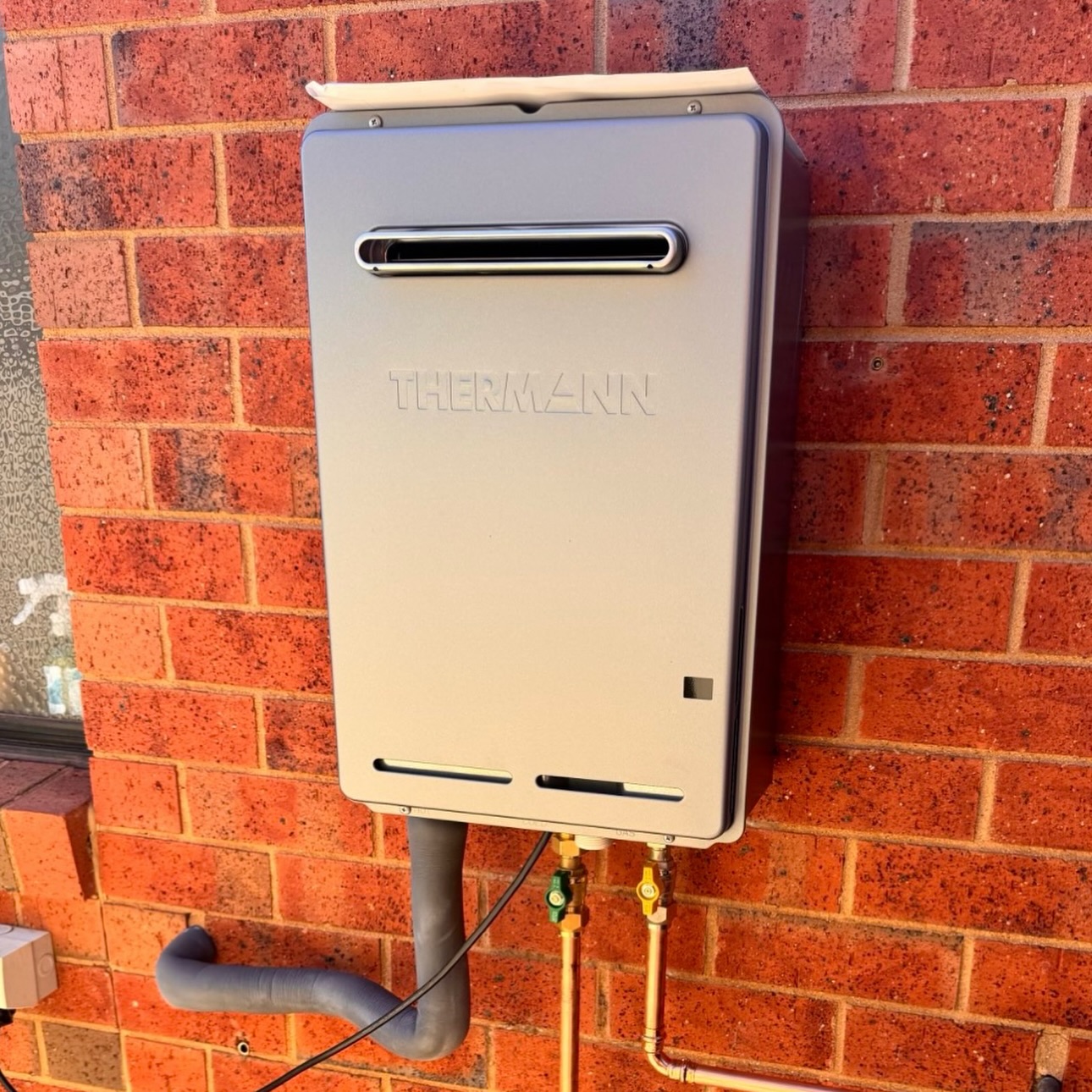
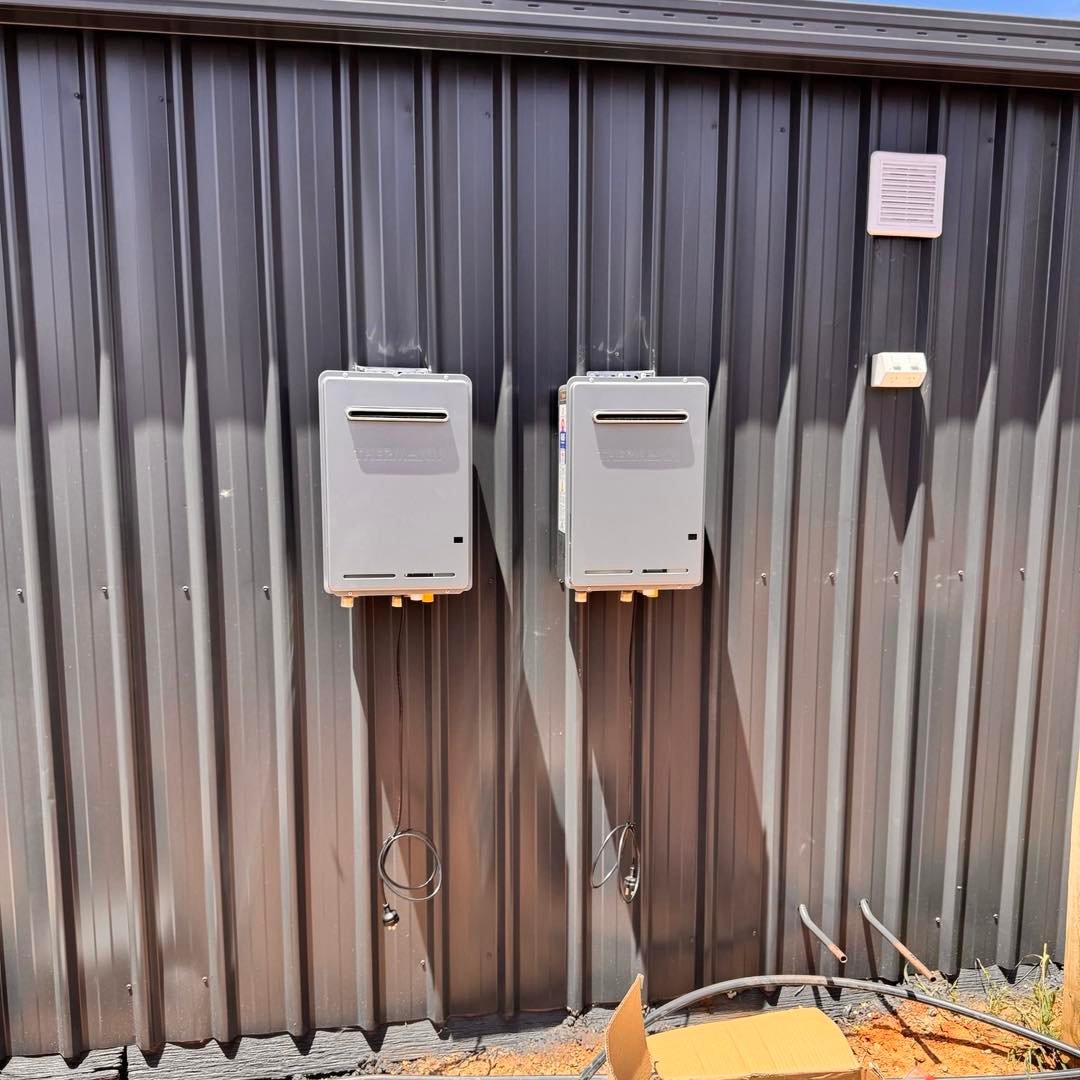
- Continuous-flow (instant): These units heat water on demand. When you turn on a tap, cold water rushes through a gas burner and comes out hot. No tank needed – which means no waiting or running out of hot water. It’s like having a little heater kick in exactly when you need it. Rinnai’s Infinity B gas units are a top example: compact, tankless, and built for Aussie homes. They provide continuous, on-demand hot water with precise temperature control. The bonus? Because there’s no stored water, you never “run out” during a long shower. These systems are very energy-efficient in use and free of the storage losses that tank units suffer. A note: if the power goes out, some gas instantaneous models (like Rinnai Flowmaster) will still work, since they rely purely on gas without needing an electric pump.
- Storage (tank) gas: This is the old-school style with a cylinder (usually outside) that holds hot water. The water in the tank is kept hot by a standing gas pilot or burner. They’re simpler and often cheaper upfront, but they can run out of hot water if the tank empties (until it reheats). In Shepparton, a gas storage tank can be a solid choice if you have natural gas piped in. Just keep in mind the pilot light burns gas continuously. Both types need a licensed gas fitter for installation – safety first!
Electric Hot Water Systems
Electric systems typically heat water in a storage tank via an immersion element (imagine a giant electric kettle). Variations include:
- Storage electric: The classic hot water cylinder. It’s simply a big insulated tank with a heating element inside. These are straightforward – just plug in and fill up. They’re usually the cheapest to install (no gas lines needed). The downsides are longer heat-up times and potential heat loss from the tank, but modern insulation is pretty good. In Shepparton’s soft water, tank corrosion is slower, so your electric tank can last a good 10–15 years if well-maintained.
- Instant (continuous-flow) electric: These heat water on demand at the tap. They need a hefty electrical supply (often three-phase power) to work, so they’re less common in typical homes. They can be useful for remote additions (like a granny flat) or where gas isn’t available, but bear in mind they draw a lot of current when running.
Overall, electric storage tanks are common and easy to install (especially in renovations). Just know that electricity usually costs more than gas per unit of heat, so running costs can be higher. On the flip side, if you have home solar panels, an electric tank can run mostly on free solar energy during the day – a potential win-win for your wallet.
Heat Pump Hot Water Systems
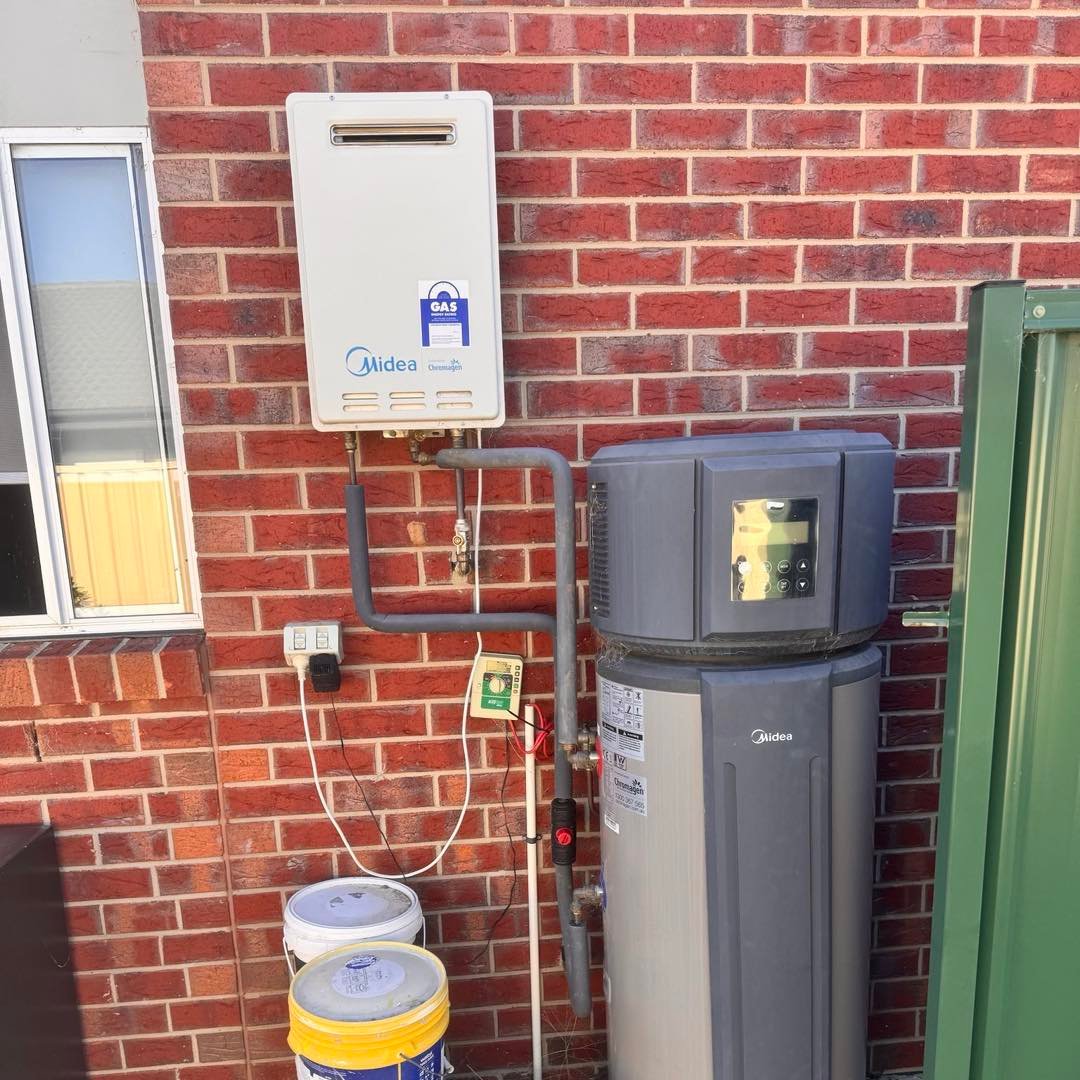
Heat pump systems are electric, but don’t worry – they use the same clever principle as a fridge or aircon. They “pump” heat from the air into the water, using an electric compressor. This makes them super efficient: for each kW of electricity, they can deliver around 3–4 kW of heat. In fact, Solar Victoria notes that heat pump systems can cut your hot-water energy use by roughly 80% compared to a conventional electric tank. They’re great for Shepparton’s relatively warm climate, and they work well even on cloudy days (with an element backup). Heat pumps often have an outdoor condensing unit and an indoor or covered tank.
The upside: much lower running costs and green credentials. The downside: higher upfront cost (often $4–6k installed) and a bit more complexity. But rebates help (see below). Modern models are quiet and reliable. Many Shepparton homes are switching to heat pumps to save on bills – and it jives with Victoria’s push for efficient appliances. If you picture a heat pump hot water system, imagine an outdoor unit (like an AC compressor) next to your home quietly drawing heat out of the air and slurping it into your water heater.
Solar Hot Water Systems
Solar hot water uses the sun’s energy to heat water. You’ll see it as panels (collectors) on the roof connected to a storage tank, or in some split systems the panels can be separate. In Shepparton, with plenty of sunshine, solar systems make a lot of sense – they can provide up to about 60% of your yearly hot water needs directly from the sun. On dull days or during high demand, a backup heater (gas or electric) takes over.
The pros: very cheap to run (free fuel) and lower emissions. The cons: high installation cost (around $3,000–$7,000 according to crew plumbing data) and if not sized right, you might see your backup kicking in more often. Also, roof space and orientation matter. In Shepparton, solar is a great option if your roof gets good sun exposure. Plus, solar systems often come with long warranties – the technology is mature (some brands have 20+ year track records).
If you go solar, you typically get a thermal collection panel plus a well-insulated tank (which may be on the roof or ground). Regular maintenance is important – after all, you don’t want to cook your home in the summer! But done right, you’ll enjoy warm showers courtesy of the sun, with far less ongoing cost.
Installation & Replacement Process
So you’ve chosen your system – now what? The installation of a hot water system is prescribed plumbing work in Victoria, which means you must use a licensed plumber. Why? Because hot water involves gas or high-voltage electricity, safety is non-negotiable. (Think about it: would you DIY a gas cooker or an electric oven? Same idea.) A qualified plumber (and gasfitter, if it’s a gas unit) will handle the job properly, follow Australian standards, and provide the required paperwork.
In Shepparton, Blu Stream Plumbing’s team will visit your home, discuss location options (e.g. outside on a wall or stand, or inside a utility area), and provide a fixed-price quote. We do all the heavy lifting: safely disconnecting your old system, plumbing in the new one, and flushing the lines if needed. We’ll also replace any worn valves or fittings to keep everything under warranty and up to code. After the work, the plumber issues a compliance certificate. This document is your “OK” that everything was installed safely and legally. (Keep it with your records – you never know if a future buyer, council, or insurer will ask for it.)
Importantly, Victoria has some new rules on the horizon. The government is phasing out inefficient gas and electric appliances. Starting March 2027, if a gas hot water system fails, it must be replaced with an efficient electric alternative (like a heat pump). Even if you’re not replacing anything yet, this gives you food for thought: it might make sense to switch to a heat pump or solar system now, while you’re planning the change. (Plus, there are often rebates from the Victorian Solar Homes program to sweeten the deal.)
If you’re thinking of DIY, put the brake on: in Victoria, self-install of gas or new hot-water plumbing is illegal. It’s safer and ultimately cheaper (no surprise fines or redo) to have it done by professionals. We handle council notifications, gas certificates, and all the compliance stuff – so you can just enjoy worry-free hot water.
When to Repair vs Replace
Hot water systems aren’t forever. How do you know when to call for a repair or when it’s time to upgrade? Here are some tell-tale signs to watch out for (according to plumbing pros):
- Old age (>10 years). As a rule of thumb, when your tank or unit is over a decade old, start budgeting for a replacement. Materials fatigue and components wear out.
- Rusty or discolored water. If your hot tap is giving orange or brown water, the inside of the tank is corroding. That’s like a warning light – the tank could spring a leak soon.
- Strange noises. Boom-boom, rumbling or hissing? Sediment (hard water minerals and gunk) can build up on the bottom of a tank. When it traps heat, it makes a racket and strains the heater. This often indicates a flush is due, but if noise persists, the tank may be compromised.
- Leaks or drips. Any water pooling around the heater (or active leaks from valves) is bad news. Small leaks might be fixed, but they often mean the tank itself is failing.
- Not enough hot water. If the shower’s running cold quicker than it used to, or the tank won’t heat fully, your system may be losing efficiency. (Thermostats and heating elements can fail over time.)
- Visible damage. Dents, rust spots, or bulges on the tank mean it’s on borrowed time. Likewise, if you see the sacrificial anode rod is completely gone, corrosion will accelerate.
If you tick off one or more of these, get in touch with us for an inspection. Often a repair (like replacing a valve, thermostat, or element) is cheaper, but sometimes the most cost-effective move is a new system installation. We’ll give honest advice: no point patching a sinking ship.
Maintenance Tips for Longevity
Want to make your hot water system last as long as possible? A little attention goes a long way. Here are some simple maintenance tips (and some surprising hacks):
- Flush the tank yearly. Even in Shepparton’s soft water, a flush will clear out sediment. Just turn off power/gas, connect a hose to the drain valve, and let it run until water runs clear. If you hear a lot of grit hissing out, schedule a regular flush.
- Check the sacrificial anode. Inside most tanks is a magnesium rod that attracts corrosion (like a moth to a flame). Over 3–5 years it erodes and needs replacing. A spent anode means the tank will start corroding instead, so replacing it can extend tank life significantly.
- Test temperature/pressure (T&P) relief valve. Lift the test lever (careful, it may splash hot water) to ensure it’s not stuck. A working T&P valve prevents dangerous pressure buildup.
- Insulate your cylinder and pipes. In Shepparton winter nights, a blanket around an older tank saves heat (and cash). Insulating hot and cold inlet pipes reduces heat loss.
- Service gas burners or electric elements. For gas systems, have the burner checked and cleaned yearly to ensure efficient combustion. Electric elements sometimes get a mineral coating; checking them every few years can catch failing elements early.
- Set the thermostat sensibly. Around 60°C (140°F) is hot enough to prevent bacteria but not scalding. Lowering it by a few degrees can cut your energy use.
- Watch for leaks. Even small drips at pipe joints can lead to big problems over months. If you spot a leak, shut off the water and call a plumber pronto.
Keeping up with these tasks is like giving your hot water system a spa treatment. It fights off wear and helps avoid emergency breakdowns. And if you ever skip maintenance, remember: Blu Stream Plumbing offers affordable service checks. Better than a cold shower surprise, right?
Choosing Your New Hot Water System
When it’s time to replace an old unit, how do you decide which type to get? There’s no one-size-fits-all answer, but here are the big factors for Shepparton homeowners:
- Energy source & running costs: Natural gas is handy if you have a pipeline – it usually runs cheaper than grid electricity. Electric systems cost more per liter to heat unless you have solar panels. Heat pumps use electricity but pull free heat from the air, cutting running costs dramatically. Solar systems use no fuel on sunny days (sweet!), but expect some backup heating use. Think about your power bills and fuel availability.
- Usage & family size: Big families or homes with multiple simultaneous showers might lean on continuous-flow gas or a large solar/heat pump tank. Smaller households could make do with a smaller electric tank or instantaneous unit. If you often run out of hot water now, look for a higher-flow gas unit or larger tank.
- Space: Do you have room for a big tank, or only limited outdoor wall space? Continuous-flow units save space. Solar needs a roof area. Heat pump units are usually floor-standing or on a roof. Measure the spot before you order!
- Environmental factors: If reducing your carbon footprint matters, consider that gas is a fossil fuel, while electric options (especially with solar PV) can be much greener. In fact, Victoria’s Solar Homes program highlights that efficient electric systems (heat pump/solar) significantly lower home emissions. Rebates are available too: up to $1,000 off for eligible heat pump or solar systems (and more if you pick a made-in-Australia model).
- Budget & rebates: Installation costs vary widely. Electric tank installations might start around $2,000–$3,500, whereas gas setups can be a bit more (especially if new gas lines are needed). Heat pumps and solar are pricier up front ($4k+), but rebates and long-term savings can offset that. Think life-cycle cost, not just sticker price.
- Future-proofing: Victoria is moving toward electrification. Installing a heat pump or solar now might save you a mandatory switch later (and you’ll be ahead on the energy curve). It also boosts your home’s value as energy costs trend up.
Here’s a quick comparison table of typical hot water systems to help sort it out:
| System Type | Fuel/Power | How it Works | Good For |
| Gas storage tank | Natural gas or LPG | Heats & stores water in a tank | Larger families, off-grid households with LP gas |
| Gas continuous flow | Natural gas or LPG | Heats water on-demand (no tank) | Endless hot water, small to medium households |
| Electric tank | Electricity (resistive) | Heats & stores water in a tank | Simple setup, homes without gas, paired with solar PV |
| Electric continuous | Electricity | Heats water on-demand at point-of-use | Limited use scenarios, where high-power supply exists |
| Heat pump (air) | Electricity (compressor) | Pumps heat from air to water | Energy efficiency lovers, moderate climates |
| Solar (with booster) | Sun + gas/electric backup | Sun-heated panels + storage tank | Sunny spots (roof), low running costs long-term |
The right choice depends on your story. If you want cheap hot water bills, a solar or heat pump system is hard to beat. If you want simple reliability, a gas continuous flow is a proven performer. If you want low upfront cost, an electric tank will do the job, especially if you’ve got solar panels already. We at Blu Stream Plumbing can run the numbers and advise which system “pays you back” fastest given Shepparton’s conditions.
Conclusion
In Shepparton, a good hot water system installation is about matching the right technology to your home’s needs, and trusting the experts to do it safely. We’ve covered how gas, electric, heat pump and solar options compare, and why getting a licensed plumber is non-negotiable. The key takeaways? (1) Always choose a unit sized for your household and fuel source, and remember that rising regulations are favoring electric solutions. (2) Keep up with simple maintenance – a quick annual flush and anode check can add years to your system’s life. (3) When you do replace, consider that rebates can offset the cost of efficient heat pumps or solar systems. And lastly, don’t underestimate the peace of mind of a properly installed and certified job.
Blu Stream Plumbing is a local Shepparton business with real industry experience in hot water systems. We’ll help you sort through options, handle all the paperwork, and get your hot water back on line quickly. If your tank’s bulging, your gas burner won’t light, or you’re simply shopping for a new hot water installation, give us a call. We’re happy to chat, no-pressure, and offer a fixed-price quote. After all, everyone deserves a reliable hot shower – and that includes you!
Frequently Asked Questions
Q: How much does hot water system installation cost in Shepparton?
The cost of hot water system installation depends on the system type, size, and installation requirements. Gas, electric, heat pump, and solar systems all vary in price. Request a quote from a licensed plumber for accurate pricing, and check if Victorian rebates are available for eligible systems.
Q: What are the benefits of solar hot water systems in Shepparton?
A solar hot water system can reduce energy bills by using solar energy to heat water. It provides reliable hot water with a backup system for cloudy days and may qualify for Victorian rebates, making it a cost-effective long-term investment.
Q: Is a compliance certificate required after hot water system installation?
Yes. A licensed plumber must complete hot water system installation and provide a Plumbing or Gas Compliance Certificate where required. This confirms the installation meets Victorian safety and plumbing regulations.
Q: How long does a hot water system last?
Most hot water systems last around 10–15 years with regular maintenance. If your system is leaking, rusty, or no longer heats water efficiently, it may be time to consider a replacement.
Q: What maintenance does a hot water system need?
Regular hot water system maintenance includes flushing the tank, checking the anode rod, testing the pressure relief valve, and servicing gas components when required. Routine maintenance helps improve efficiency and extend the system’s lifespan.