
The Short Answer: Sometimes Yes, But Read This First
Can I relight the pilot light by myself? In many cases, yes — relighting a pilot light on a gas hot water system is a task a careful Victorian homeowner can handle safely. However, there are important safety checks you must complete first, and certain situations where attempting it yourself could put your household at serious risk.
Understanding the difference between a simple relight and a deeper gas fault can save you money — and potentially your life. Let’s walk through exactly what you need to know before you touch anything.
What Is a Pilot Light and Why Does It Go Out?
A pilot light is a small, continuously burning flame inside your gas hot water system. It ignites the main burner whenever your system calls for heat. On older storage hot water units common in Victorian homes, the pilot light is a critical component that keeps everything running smoothly.
Pilot lights go out for several reasons, including:
- A strong draught or gust of wind (especially in older, less-sealed installations)
- A faulty or worn thermocouple — the safety sensor that detects whether the flame is present
- A temporary interruption to your gas supply
- A build-up of debris or dust around the burner assembly
- Extended periods of low gas pressure in the supply line
Most of the time, a pilot light that has simply been blown out by a draught is safe to relight yourself. The concern arises when there’s an underlying fault or a gas leak involved.
Can I Relight the Pilot Light by Myself Safely? The Pre-Checks You Must Do
Before you attempt anything, carry out these essential safety checks. Skipping them is where homeowners get into trouble.
- Check for the smell of gas. If you can smell gas near your hot water unit or anywhere in the home, do not attempt a relight. Leave the house, avoid using light switches or phones indoors, and call your gas distributor immediately.
- Ventilate the area. Open nearby windows and doors and wait at least five minutes before proceeding. This clears any residual gas that may have accumulated near the unit.
- Turn the gas control knob to ‘Off’. Wait a full five minutes before moving to the ‘Pilot’ position. This step is non-negotiable — it allows any unburnt gas to dissipate.
- Check your manufacturer’s instructions. Most gas hot water systems have a relighting label affixed directly to the unit. Follow those steps precisely, as procedures vary between brands like Rheem, Rinnai, and Dux.
- Have a long-reach lighter or match ready. Never use a cigarette lighter held close to the burner assembly. A long-reach lighter keeps your hand well away from the ignition point.
If you follow these steps and the pilot light relights and stays on, you’re likely in the clear. If it won’t stay lit after two or three attempts, stop — there’s almost certainly a thermocouple fault or a gas supply issue that needs professional attention.
Understanding the Thermocouple: The Most Common Culprit
The thermocouple is a small copper probe that sits in the pilot flame. It generates a tiny electrical signal that tells the gas valve to stay open. When the thermocouple wears out — which happens over time with any hot water system — the gas valve shuts off automatically as a safety measure, and the pilot light won’t stay lit no matter how many times you try.
Thermocouple replacement is a straightforward job for a licensed gasfitter, but it is not a DIY task under Australian standards. Under AS/NZS 5601.1 (the Australian standard for gas installations), any work on gas appliance components beyond basic user operation must be carried out by a licensed professional. In Victoria, this is enforced by Energy Safe Victoria.
If you’re unsure whether your system has a thermocouple issue, check out the Blu-Stream Plumbing blog for more practical hot water system guides written for Victorian homeowners.
Older Systems vs. Modern Electronic Ignition Units
Many Victorian homes — particularly those built before the 2000s — still run on older storage systems with standing pilot lights. These are the units where the DIY relight process described above applies. Modern systems, by contrast, use electronic ignition, meaning there’s no standing pilot flame at all. If your modern unit isn’t producing hot water, the issue is more likely an ignition module, a gas valve fault, or an error code on the control panel — none of which are DIY fixes.
If you’ve recently had renovation plumbing work done and your hot water system was disturbed, a tripped pilot light or interrupted gas connection could be the cause. Always check with your plumber after any significant work is completed near gas appliances.
When to Call a Professional
There are clear situations where attempting to relight the pilot light yourself is not appropriate. Call a licensed gasfitter immediately if:
- You can smell gas at any point during the process
- The pilot light relights but goes out again within seconds or minutes
- You notice a yellow or orange flame instead of a clean blue flame
- Your hot water system is more than 10–12 years old and has never been serviced
- You hear unusual sounds such as popping, hissing, or rumbling from the unit
- There is visible corrosion, soot, or damage around the burner assembly
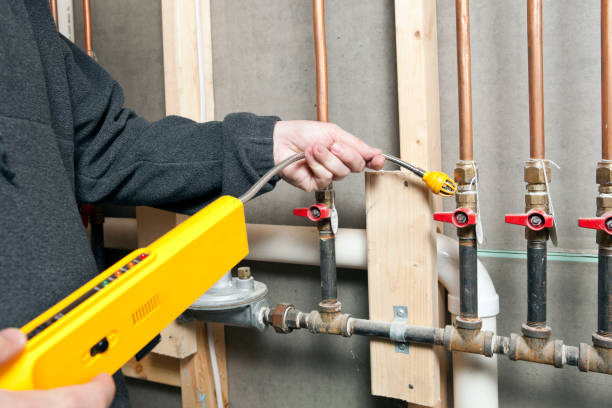
The team at Blu-Stream Plumbing’s licensed gasfitting service handles pilot light faults, thermocouple replacements, and full hot water system diagnostics across Victoria. Don’t risk your family’s safety — if something doesn’t feel right, call a professional before attempting anything further. You can reach the team directly via the contact page.
Conclusion
So, can I relight the pilot light by myself? Yes — provided there’s no smell of gas, you follow the manufacturer’s instructions carefully, and the flame stays lit after relighting. For Victorian homeowners, it’s a reasonable DIY task in straightforward situations. But the moment something seems off — an extinguishing flame, a gas smell, or an unusual noise — stop immediately and call a licensed gasfitter.
Your hot water system is a gas appliance, and gas faults are not something to troubleshoot by trial and error. Stay safe, know your limits, and don’t hesitate to get professional help when the situation calls for it.
Frequently Asked Questions
Is it legal for me to relight my own pilot light in Victoria?
Yes. Relighting a pilot light following the manufacturer’s instructions is considered normal user operation and is permitted for homeowners in Victoria. However, any repair work — such as replacing a thermocouple or adjusting gas valve components — must be carried out by a licensed gasfitter under Australian standards and Energy Safe Victoria regulations.
How long should I wait before relighting the pilot light after it goes out?
You should wait at least five minutes after turning the gas control knob to the ‘Off’ position before attempting to relight. This allows any accumulated gas around the burner assembly to safely dissipate and reduces the risk of a flash ignition when you introduce a flame.
Why does my pilot light keep going out after I relight it?
A pilot light that repeatedly extinguishes after relighting is almost always a sign of a failing thermocouple. The thermocouple detects the presence of the flame and keeps the gas valve open — when it wears out, the valve closes automatically as a safety measure. This component needs to be replaced by a licensed gasfitter and is not a DIY repair.
How much does it cost to have a pilot light or thermocouple fixed professionally in Victoria?
A thermocouple replacement is generally one of the more affordable hot water system repairs, typically ranging from around $150 to $300 depending on the unit and call-out location. It’s worth getting it done promptly, as a faulty thermocouple left unaddressed can cause repeated outages and may indicate broader wear on an ageing system. For more about what we do, visit our homepage.