How Do You Know Your Kitchen Plumbing Needs Upgrading?
Your kitchen plumbing needs upgrading when you notice persistent low water pressure, slow-draining sinks, discoloured water, ageing pipes, or recurring leaks that no amount of patching seems to fix. Catching these warning signs before a renovation saves you thousands in rework costs and protects your brand-new cabinetry and benchtops from water damage down the track.
Planning a kitchen renovation in Victoria in 2026? Before you start choosing splashback tiles or stone benchtops, it pays to take a hard look at what’s happening behind your walls and under your sink. Plumbing issues that seem minor today can become expensive disasters once your renovation is underway — or worse, after it’s finished.
Why Kitchen Plumbing Matters More Than You Think
The kitchen is the hardest-working room in your home from a plumbing perspective. You’re running the dishwasher, filling pots, rinsing produce, and using the sink multiple times a day. All of that activity puts real stress on your pipes, taps, and drainage system.
In older Victorian homes — particularly those built before the 1980s — original galvanised steel or copper pipework may be nearing the end of its serviceable life. Replacing ageing infrastructure before your renovation means your new kitchen sits on a solid, reliable foundation rather than a ticking time bomb.
Key Signs Your Kitchen Plumbing Needs Upgrading
Not sure what to look for? Here are the most common red flags Victorian homeowners encounter before a kitchen renovation:
- Consistently low water pressure at the tap — a trickle where there should be a strong flow often points to corroded or partially blocked pipes.
- Discoloured or rusty water — brown or orange-tinged water coming from your kitchen tap is a clear sign of internal pipe corrosion.
- Slow-draining sink — if water pools in your sink regularly, your drain line may be partially blocked, undersized, or incorrectly graded.
- Persistent dripping taps or leaks under the sink — even small leaks cause mould, structural damage, and inflated water bills over time.
- Visible pipe corrosion or mineral build-up — white, chalky deposits or greenish staining on exposed pipework indicates deterioration.
- Gurgling sounds from the drain — this often signals a venting problem or a partial blockage further along the drainage line.
- Outdated or non-compliant fixtures — older fixtures may not meet current Australian standards under the Plumbing Code of Australia, which can cause headaches during building inspections.
If you’re ticking more than two or three of these boxes, your kitchen plumbing needs upgrading before a single cabinet is removed.
The Real Cost of Ignoring Plumbing Before a Reno
Many Victorian homeowners make the mistake of focusing their renovation budget entirely on the visible elements — new appliances, cabinetry, and flooring. Plumbing gets pushed to the back of the priority list until something goes wrong.
The reality is that addressing plumbing issues mid-renovation is significantly more expensive than dealing with them upfront. Tradespeople may need to pull apart freshly tiled walls or newly installed joinery to access problematic pipes. That’s a costly and stressful situation you can absolutely avoid with a pre-renovation plumbing assessment.
If you’re also planning to add a gas cooktop or upgrade your hot water system as part of the renovation, it’s worth reviewing your gasfitting requirements at the same time to bundle the work efficiently.
What a Pre-Renovation Plumbing Inspection Covers
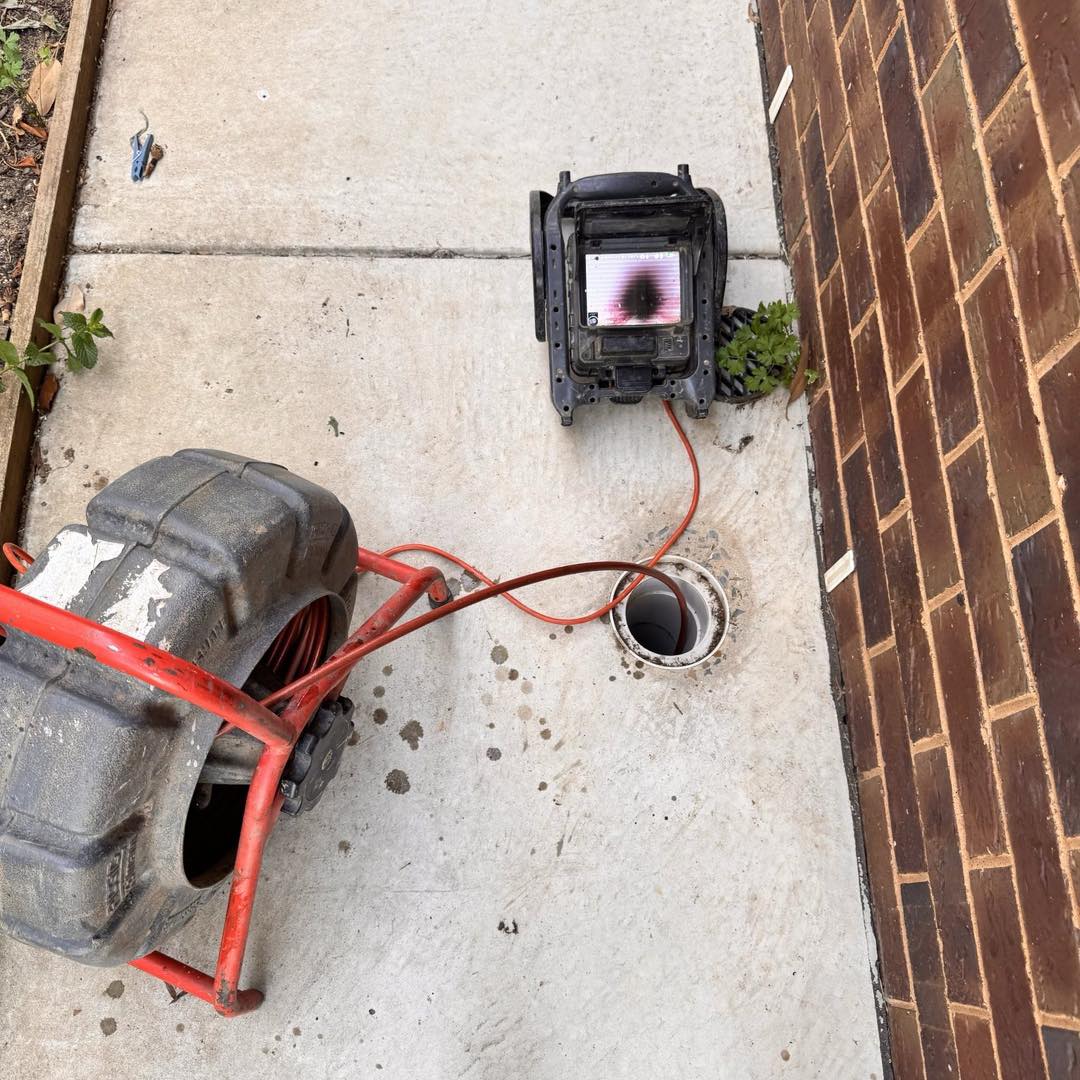
A thorough pre-renovation plumbing inspection gives you a clear picture of your current system’s condition. A licensed plumber will typically assess:
- The age and material of your existing supply pipes
- Water pressure and flow rates at the kitchen tap
- The condition and grade of your waste and drainage lines
- The location and compliance of your existing fixtures and fittings
- Whether your current drainage setup can support new appliances like a dishwasher or fridge with a water connection
This kind of assessment aligns with the requirements set out under the drain installation standards that apply to Victorian residential properties. Getting it done before demolition begins means you can budget accurately and avoid nasty surprises.
If you’re considering improving your water quality at the same time, a pre-renovation inspection is also the ideal opportunity to explore water filtration installation options that can be neatly integrated into your new kitchen design.
DIY Checks You Can Do Yourself
Not everything requires a licensed plumber straight away. There are a few simple checks you can carry out yourself before calling in a professional.
Turn on your kitchen tap fully and note the pressure. Check under your sink for any signs of moisture, mould, or staining on the cabinet floor. Run your dishwasher and watch whether the sink gurgles or backs up. These basic observations will help you have a more informed conversation with your plumber and give them a head start on diagnosing any issues.
When to Call a Professional
If your self-inspection reveals any of the warning signs listed above — or if you simply have an older home and haven’t had your plumbing assessed in several years — it’s time to call in a licensed plumber before your renovation kicks off.
The team at Blu-Stream Plumbing’s renovation plumbing service works with Victorian homeowners to assess, plan, and upgrade kitchen plumbing systems ahead of renovations. Whether you’re in Melbourne’s suburbs or regional Victoria, getting a professional assessment now means your renovation runs on time, on budget, and without plumbing surprises. Get in touch with Blu-Stream Plumbing today to book your pre-renovation plumbing inspection.
Conclusion
Recognising that your kitchen plumbing needs upgrading before a renovation is one of the smartest moves you can make as a Victorian homeowner in 2026. From low water pressure and rusty water to slow drains and ageing pipework, the warning signs are often right in front of you — you just need to know what to look for.
Addressing plumbing issues before demolition begins protects your renovation investment, keeps your project on schedule, and ensures your new kitchen meets current Australian compliance standards. Don’t let hidden plumbing problems undo all your hard work. Contact Blu-Stream Plumbing to arrange a pre-renovation assessment and start your kitchen transformation on solid ground.
Frequently Asked Questions
How do I know if my kitchen plumbing needs upgrading before a renovation?
Common signs include low water pressure at the tap, discoloured or rusty water, slow-draining sinks, persistent leaks, gurgling drain sounds, and visible pipe corrosion. If your home is more than 30–40 years old and hasn’t had a plumbing assessment, it’s worth arranging one before any renovation work begins.
Can I renovate my kitchen without upgrading the plumbing?
It depends on the condition of your existing system. If your pipes, fixtures, and drainage are in good working order and meet current compliance requirements, you may not need to upgrade everything. However, a licensed plumber should assess the system before work starts to confirm it can support your new kitchen layout and appliances.
What Australian standards apply to kitchen plumbing in Victoria?
Kitchen plumbing in Victoria must comply with the Plumbing Code of Australia and the relevant Victorian plumbing regulations administered by the Victorian Building Authority (VBA). All plumbing work must be carried out by a licensed plumber, and certain works require a Certificate of Compliance upon completion.
How much does a pre-renovation plumbing inspection cost in Victoria?
Costs vary depending on the size of your home and the complexity of your existing system, but a pre-renovation plumbing inspection is generally a modest investment compared to the cost of fixing problems mid-renovation. Contact a licensed local plumber for an accurate quote based on your specific property and planned renovation scope. For more about what we do, visit our homepage.