

The Short Answer Every Victorian Homeowner Needs
If you’re asking why do my drains keep blocking, the honest answer is this: recurring blockages almost always point to an underlying cause that a quick plunge or bottle of drain cleaner simply cannot fix. Whether it’s a build-up of grease, tree root intrusion, or ageing pipes, understanding the root cause is the only way to stop the problem coming back.
The Most Common Reasons Your Drains Keep Blocking
Victorian homes — particularly older weatherboard and brick properties built before the 1980s — face a unique set of drainage challenges. The combination of established garden trees, ageing clay or cast-iron pipes, and heavy winter rainfall creates the perfect storm for persistent drain problems.
Grease and Fat Build-Up in Kitchen Drains
Pouring cooking oil, fat, or grease down the kitchen sink is one of the leading causes of recurring blockages in Australian households. As these substances cool inside your pipes, they solidify and cling to the pipe walls. Over time, food scraps, soap residue, and debris accumulate on top of that layer until the pipe is almost completely blocked.
The fix here is largely behavioural — dispose of fats and oils in the bin, not the sink. You can also run hot water and a small amount of dish soap down the drain weekly to help keep things moving.
Hair and Soap Scum in Bathroom Drains
Bathroom drains are notorious for collecting hair, soap scum, and skin cells. This combination forms a dense, sticky mass that catches everything else that flows past it. If your shower or bath is draining slowly, this is almost certainly the culprit.
A simple drain strainer or hair catcher is one of the most effective and affordable preventative tools you can buy. Cleaning it out weekly takes less than a minute and can save you a significant plumbing bill.
Tree Root Intrusion
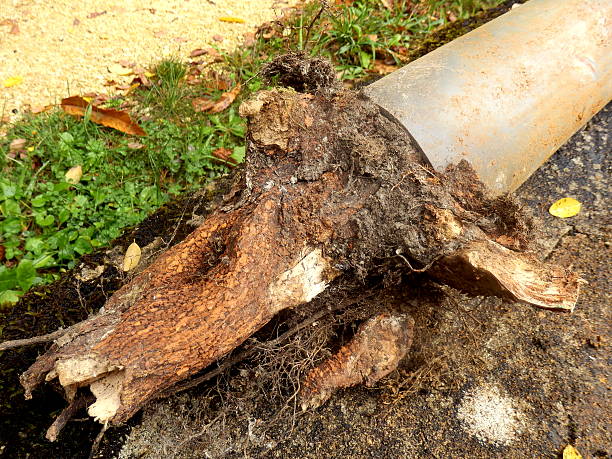
This is one of the most serious — and most common — causes of recurring drain blockages in Victoria. Tree roots are naturally drawn to the moisture and nutrients inside sewer and stormwater pipes. Even a hairline crack in an older pipe is enough for roots to force their way in, growing into a dense mass that traps waste and eventually causes a complete blockage.
If you have large established trees — eucalypts, willows, poplars, or even ornamental figs — anywhere near your drainage lines, root intrusion should be your first suspect when blockages keep coming back. A CCTV drain inspection is the only reliable way to confirm this.
Deteriorating or Incorrectly Graded Pipes
Older Victorian properties often have clay or concrete pipes that have cracked, collapsed, or shifted over decades of ground movement. When a pipe loses its correct fall (the downward gradient that keeps waste moving), water and solids pool inside and blockages become a regular occurrence.
This is also a common issue after home renovations where drainage work hasn’t been carried out to the correct standard. If you’ve recently had building work done, it’s worth having your drainage inspected. You can learn more about what’s involved on our renovation plumbing page.
Foreign Objects and Wipes
So-called “flushable” wipes, cotton pads, nappies, and other sanitary items do not break down in the sewer system. They bind together with grease and other debris to form what the industry calls a “fatberg” — a solid mass that can block pipes entirely. This is a growing problem across Victorian municipalities and one that’s entirely preventable.
Warning Signs You Shouldn’t Ignore
Knowing when a slow drain is becoming a serious problem can save you thousands in repair costs. Watch out for these red flags:
- Multiple drains in your home blocking at the same time (suggests a main sewer line issue)
- Gurgling sounds coming from your toilet or floor waste after using another fixture
- Sewage odours inside or outside your home
- Water backing up into your shower or bath when you flush the toilet
- Patches of unusually lush, green grass over your drainage lines (a sign of a leaking sewer)
Any one of these signs warrants a proper inspection rather than another DIY attempt.
What You Can Do Yourself
Not every blocked drain requires a licensed plumber. For minor, isolated blockages, these steps are worth trying first:
- Use a cup plunger to create suction and dislodge the blockage
- Remove and clean the drain strainer or pop-up waste fitting
- Pour boiling water slowly down the drain to melt minor grease build-up
- Use a drain snake or hand auger to reach blockages further down the pipe
- Try a mixture of bicarbonate of soda and white vinegar followed by hot water
Avoid caustic chemical drain cleaners wherever possible. While they can clear a blockage short-term, they can damage older pipes and are harmful to the environment — particularly if your property uses a septic system, which is common in regional Victoria.
For more helpful tips and local plumbing advice, head over to the Blu-Stream Plumbing blog.
When to Call a Professional
If you’ve tried the DIY steps and your drains keep blocking — or if you’re seeing any of the warning signs listed above — it’s time to call a licensed plumber. Persistent blockages almost always indicate a problem that requires professional equipment: a high-pressure water jetter, CCTV drain camera, or in some cases, pipe relining or replacement.
Under the Plumbing Regulations 2018 (Vic), certain drainage work must be carried out by a licensed plumber to comply with Australian Standard AS/NZS 3500. Attempting complex drainage repairs yourself can result in non-compliant work that affects your home insurance and future property sales.
The team at Blu-Stream Plumbing services homes and businesses across Victoria, providing CCTV drain inspections, high-pressure jetting, and full drain installation services. If your drains keep giving you trouble, get in touch with the team at Blu-Stream Plumbing for an honest assessment and a lasting fix.
Conclusion
Recurring drain blockages are rarely bad luck — they’re a symptom of an underlying issue that won’t resolve itself. Whether it’s grease build-up, tree root intrusion, deteriorating pipes, or something being flushed that shouldn’t be, identifying the real cause is the only way to stop the cycle. Start with the simple preventative steps, know your warning signs, and don’t hesitate to call in a licensed professional when the problem keeps coming back. Your drains — and your wallet — will thank you for it.
Frequently Asked Questions
Why do my drains keep blocking even after I’ve cleared them?
If your drain blocks repeatedly after clearing, it usually means the underlying cause hasn’t been addressed. Common culprits include tree root intrusion, a collapsed or incorrectly graded pipe, or a persistent grease build-up deeper in the line. A CCTV drain inspection is the most reliable way to identify exactly what’s causing the recurring problem.
Can tree roots really get into my pipes?
Yes, and it’s more common than most homeowners realise — especially in Victoria where established trees are widespread. Roots can enter through even the smallest crack or joint in older clay or concrete pipes, growing into a mass that traps waste and causes repeated blockages. Root intrusion requires professional removal and often pipe repair or relining.
Are chemical drain cleaners safe to use?
Chemical drain cleaners can provide short-term relief for minor blockages, but they’re generally not recommended for regular use. They can corrode older pipes, are harmful to septic systems, and don’t address the root cause of the blockage. Mechanical methods — like a plunger or drain snake — are safer and more effective for most household blockages.
How can I prevent my drains from blocking in the future?
The most effective prevention strategies include fitting drain strainers in all basins and showers, disposing of cooking fats and oils in the bin rather than the sink, never flushing wipes or sanitary items down the toilet, and having your drainage system inspected every few years — particularly if you have older pipes or large trees near your drainage lines. For more about what we do, visit our homepage.