

How to Clear Blocked Drains: A Quick Answer for Victorian Homeowners
Knowing how to clear blocked drains can save you time, money, and a whole lot of frustration. In most cases, a blocked drain is caused by a build-up of hair, grease, soap scum, or debris — and many blockages can be resolved with simple DIY methods before you ever need to call a plumber. This guide walks you through everything you need to know.
Why Blocked Drains Are So Common in Victorian Homes
Victoria’s diverse housing stock — from heritage weatherboards in regional towns to modern builds in suburban estates — means drainage systems vary enormously in age and design. Older homes often have narrower pipes and clay sewer connections that are more prone to root intrusion and sediment build-up. Newer homes aren’t immune either, especially during renovation work when debris can easily enter the drainage system.
Seasonal factors also play a role. Victoria’s wet winters and autumn leaf falls mean stormwater drains and outdoor grates can block up quickly. If you’ve noticed slow draining sinks, gurgling sounds from your pipes, or unpleasant odours rising from your drains, you’re likely dealing with a partial or full blockage.
Common Causes of Blocked Drains
Before you grab the plunger, it helps to understand what’s causing the problem. The most frequent culprits include:
- Hair and soap scum — the number one cause of bathroom basin and shower drain blockages
- Grease and food scraps — fats solidify inside kitchen drain pipes over time
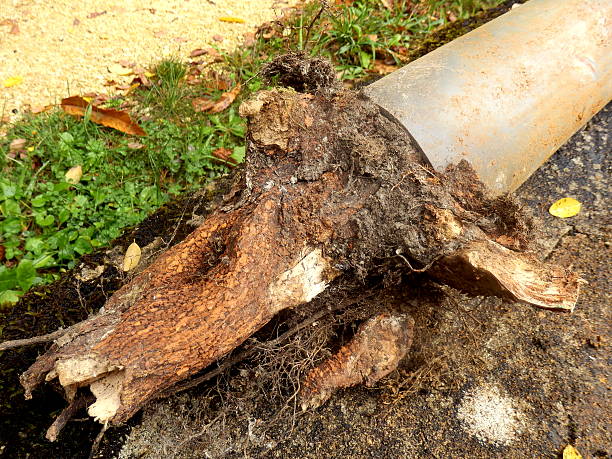
- Tree root intrusion — common in older Victorian properties with established gardens
- Wet wipes and sanitary items — these should never be flushed, regardless of “flushable” labelling
- Leaves and garden debris — a major issue for stormwater drains after autumn and winter storms
- Foreign objects — toys, cotton buds, and bottle caps are surprisingly common finds
How to Clear Blocked Drains: Step-by-Step DIY Methods
For minor to moderate blockages, these tried-and-tested methods work well for most Victorian households. Always start with the least invasive approach and work your way up.
1. Use a Plunger
A cup plunger is your first line of defence for sinks and basins. Make sure there’s enough water in the basin to cover the rubber cup, then plunge firmly up and down for 20–30 seconds. This creates suction pressure that can dislodge soft blockages like hair and soap build-up. For toilets, use a flange plunger rather than a cup plunger for a better seal.
2. Try Boiling Water and Dish Soap
For kitchen drains blocked with grease, pour a generous squirt of dish soap down the drain followed by a full kettle of boiling water. The soap breaks down the fat, while the hot water flushes it through. Repeat two or three times if needed. Note: avoid this method on PVC pipes, as extreme heat can soften the plastic over time.
3. Baking Soda and White Vinegar
Pour half a cup of baking soda down the drain, followed immediately by half a cup of white vinegar. Let the mixture fizz for 15–20 minutes, then flush with hot water. This natural method is effective for mild blockages and helps neutralise drain odours without harsh chemicals.
4. Use a Drain Snake or Drain Auger
A hand-held drain snake (also called a drain auger) is ideal for reaching blockages further down the pipe. Feed the cable into the drain opening and turn the handle clockwise to break up or retrieve the obstruction. You can purchase a basic drain snake from most hardware stores across Victoria for under $30. This is particularly effective for hair blockages in shower drains.
5. Remove and Clean the Drain Cover or P-Trap
If the blockage is localised to one fixture, the P-trap — the curved pipe section under your sink — is often the culprit. Place a bucket underneath, unscrew the P-trap by hand or with a wrench, remove the debris, and refit it securely. This is one of the most effective DIY fixes and requires no special tools or experience.
What NOT to Do When Clearing a Blocked Drain
Many homeowners inadvertently make a blockage worse. Avoid pouring harsh chemical drain cleaners down your pipes regularly — while they can dissolve soft blockages, repeated use corrodes older pipes and is harmful to Victoria’s waterways. You can find guidance on responsible chemical disposal through EPA Victoria.
Also avoid using a high-pressure garden hose inside internal drain pipes without proper knowledge, as this can force debris further into the system or damage pipe joints. If you’ve already tried two or three DIY methods without success, it’s time to stop and seek professional help before the situation worsens.
If you’re planning a bathroom or kitchen renovation, it’s worth reviewing your drainage layout early. Our drain installation services can help ensure your new drainage system is set up correctly from the start.
Preventing Blocked Drains in the Future
Prevention is far cheaper than a callout. A few simple habits go a long way:
- Fit hair-catch drain covers in all shower recesses and bathroom basins
- Never pour cooking oils or fats down the kitchen sink — let them cool and dispose of them in the bin
- Flush drains monthly with boiling water and dish soap as a maintenance routine
- Clear leaves and debris from outdoor stormwater grates regularly, especially through autumn and winter
- Have your sewer drain inspected with a CCTV drain camera every few years if your home is older
When to Call a Professional
Some blockages simply can’t be resolved with DIY methods — and attempting to force the issue can cause costly pipe damage. You should call a licensed plumber if you notice:
- Multiple fixtures draining slowly at the same time (this suggests a main sewer blockage)
- Sewage backing up into your shower or toilet
- Persistent gurgling sounds even after DIY treatment
- Foul odours that won’t clear
- Visible water pooling around your outdoor stormwater drains after rain
These symptoms often point to a deeper issue such as tree root intrusion, a collapsed pipe, or a blockage in the main sewer line — all of which require professional-grade equipment like a hydro-jet drain cleaner or CCTV drain inspection camera. Under the Plumbing Regulations Victoria 2018, certain drainage work must be carried out by a licensed plumber to comply with the Australian Standard AS/NZS 3500.
The team at Blu-Stream Plumbing in Shepparton and surrounding Victorian regions are experienced in diagnosing and resolving all types of drain blockages quickly and professionally. Don’t wait until a minor blockage becomes a major emergency — contact Blu-Stream Plumbing today for prompt, reliable service.
Conclusion
Understanding how to clear blocked drains gives Victorian homeowners the confidence to tackle minor issues themselves and recognise when a problem needs expert attention. Start with the simple DIY methods — plunging, hot water, baking soda, or a drain snake — and always prioritise prevention to keep your pipes flowing freely year-round.
If your blockage persists or you suspect a more serious underlying issue, don’t hesitate to reach out to a licensed drainage plumber. Blu-Stream Plumbing serves homeowners across Victoria with honest, professional drainage solutions. Explore more helpful plumbing tips and advice on our blog, or get in touch with our team today.
Frequently Asked Questions
What is the fastest way to clear a blocked drain at home?
The fastest DIY method is using a plunger combined with hot water. For grease blockages in kitchen sinks, dish soap followed by boiling water works quickly. If the blockage is in the shower, removing the drain cover and pulling out hair build-up by hand or with a drain snake is usually the most immediate fix.
Can I use chemical drain cleaners on my Victorian home’s pipes?
Occasional use of chemical drain cleaners is generally acceptable for PVC pipes, but they should be avoided on older clay or cast-iron pipes common in heritage Victorian homes, as they can cause corrosion. Overuse also harms the environment and Victoria’s sewage treatment systems. Natural alternatives like baking soda and vinegar are safer for regular maintenance.
How do I know if my blocked drain is a serious plumbing issue?
If more than one drain in your home is slow or blocked at the same time, sewage is backing up, or you hear persistent gurgling from multiple fixtures, this typically indicates a blockage in your main sewer line rather than an isolated pipe. This requires a licensed plumber with professional equipment and should not be left unattended.
How often should I have my drains professionally inspected in Victoria?
For homes older than 20–30 years, a CCTV drain inspection every three to five years is a sensible precaution, particularly if you have large trees near your sewer line. For newer homes with no recurring issues, a professional inspection every five years or when problems arise is generally sufficient. Regular maintenance significantly reduces the risk of emergency blockages. For more about what we do, visit our homepage.