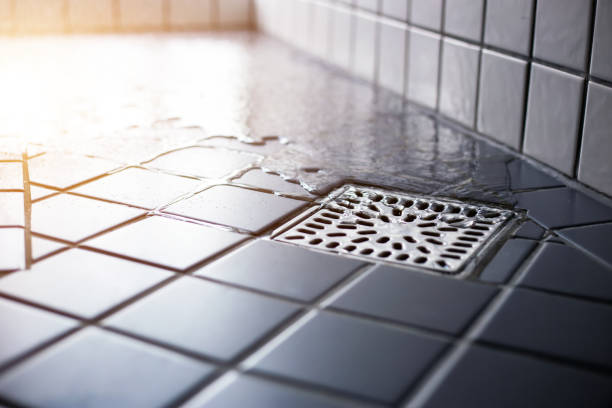
So, how do you know if your drains are blocked? The clearest signs include slow-draining water, gurgling sounds from your pipes, foul odours near your sinks or floor wastes, and water backing up where it shouldn’t. Catching these warning signs early can save you from costly repairs and significant water damage to your Victorian home.
Why Blocked Drains Are a Common Problem in Victoria
Victorian homes — particularly older weatherboard and brick properties across regional areas — are especially prone to drainage issues. Tree roots from established gardens love to infiltrate ageing clay or PVC pipes, and Victoria’s seasonal shifts between dry summers and wet winters put real stress on your drainage system. Add in hard water mineral build-up and the occasional grease blockage, and it’s easy to see why blocked drains are one of the most common plumbing calls across the state.
Understanding the warning signs early means you can take action before a minor inconvenience turns into a major plumbing emergency. Let’s walk through exactly what to look for.
How Do You Know If Your Drains Are Blocked? The Key Warning Signs
1. Water Is Draining Slowly
This is usually the first sign homeowners notice. If your bathroom basin, kitchen sink, or laundry tub is taking longer than usual to drain, there’s a good chance a partial blockage is forming. Don’t ignore it — a slow drain rarely fixes itself and almost always gets worse over time.
2. Gurgling or Bubbling Sounds
Gurgling noises coming from your drains, toilet, or floor wastes are a telltale sign of trapped air caused by a blockage downstream. You might hear it after flushing the toilet or draining the bath. If multiple fixtures are gurgling at the same time, the blockage is likely in a shared drain line rather than a single fixture.
3. Unpleasant Odours
A blocked drain often traps decomposing organic matter — food scraps, hair, soap scum, and grease — which produces a distinct, unpleasant smell. If you’re noticing sewage-like odours coming from your kitchen sink, bathroom floor waste, or outdoor gully trap, that’s a strong indicator something is obstructing your drainage system.
4. Water Backing Up or Overflowing
Water backing up into your shower when you flush the toilet, or pooling around your outdoor gully trap, suggests a serious blockage in your main drain line. This is one of the most urgent warning signs and should not be left unattended, as it can lead to sewage overflow and health hazards.
5. Wet or Sunken Patches in the Garden
If you notice unexplained wet patches, lush green strips, or sunken ground in your yard — particularly near known drain lines — this could indicate a cracked or blocked pipe leaking underground. Tree root intrusion is a frequent culprit in Victorian properties with mature gardens.
Common Causes of Blocked Drains in Victorian Homes
Knowing what causes blockages helps you prevent them. Here are the most frequent offenders:
- Tree root intrusion — roots seek out moisture and can crack and enter older clay pipes
- Grease and fat build-up — cooking oils solidify inside kitchen drain lines over time
- Hair and soap scum — a common culprit in bathroom basin and shower drains
- Foreign objects — wet wipes, cotton buds, and sanitary items flushed down the toilet
- Collapsed or deteriorating pipes — particularly in homes built before the 1980s
- Stormwater debris — leaves and sediment blocking outdoor stormwater drains after heavy rain
If you’ve recently completed a renovation, it’s worth checking that your drainage system has been properly set up. Poor installation is a surprisingly common cause of recurring blockages — you can learn more about professional drain installation to understand what a correctly designed system looks like.
What You Can Try Yourself First
Not every blocked drain requires a plumber straight away. For minor blockages in a single fixture, there are a few things you can safely try at home. Start by removing and cleaning the drain cover or hair trap — you’d be surprised how much build-up accumulates there. You can also try pouring boiling water slowly down a kitchen sink drain to help dissolve grease, or use a plunger with firm, steady pressure on a basin or toilet.
Avoid using harsh chemical drain cleaners regularly. While they may provide short-term relief, they can corrode older pipes and are not environmentally friendly — a concern worth noting given Victoria’s water authority guidelines around household chemical disposal.
If the blockage persists after these basic steps, or if more than one fixture is affected, it’s time to call in a licensed plumber.
When to Call a Professional
If you’re still asking yourself how do you know if your drains are blocked — and you’re ticking more than one of the warning signs above — it’s time to get a professional assessment. Recurring blockages, sewage smells, multiple affected fixtures, or wet patches in your yard are all situations that require a licensed drainage plumber with the right equipment, such as a CCTV drain camera or high-pressure water jetter.
Attempting to diagnose or fix these issues without the right tools can make the problem worse and may not comply with Victorian plumbing regulations under the Victorian Building Authority, which governs all plumbing and drainage work in the state.
The team at Blu-Stream Plumbing services homeowners across Victoria, including the Shepparton and Cobram regions. Don’t wait for a minor blockage to become a major emergency — get in touch today for a prompt, professional assessment.
Conclusion
Knowing how do you know if your drains are blocked comes down to paying attention to the early warning signs: slow drainage, gurgling sounds, bad odours, water backing up, and wet patches in your garden. The sooner you act, the simpler and more affordable the fix is likely to be. For straightforward single-fixture issues, a bit of DIY maintenance can go a long way. But for anything more persistent or widespread, trust a licensed professional to get it sorted properly.
Blu-Stream Plumbing is here to help Victorian homeowners protect their properties from the damage a blocked drain can cause. Explore more practical plumbing advice on our plumbing blog, or reach out to our team directly to book a service.
Frequently Asked Questions
How do you know if your drains are blocked versus just slow?
A slow drain could simply be a minor build-up near the drain opening, while a blocked drain typically involves persistent slow drainage across multiple fixtures, gurgling sounds, or foul odours. If clearing the drain cover doesn’t resolve the issue within a day or two, it’s likely a more significant blockage further down the line.
Can a blocked drain fix itself?
In rare cases, a very minor partial blockage might temporarily improve, but it almost never resolves on its own. Blockages caused by tree roots, grease accumulation, or collapsed pipes will only get worse without intervention. It’s always better to address the issue early before it escalates into a sewage overflow or pipe damage.
How often should I have my drains inspected in Victoria?
For most Victorian homes, a professional drain inspection every two to three years is a sensible precaution — particularly if you have mature trees near your drain lines or live in an older property. If you’ve experienced recurring blockages, an annual CCTV drain inspection can help identify the root cause before it becomes a serious problem.
Are there any DIY drain cleaning products that are safe to use regularly?
Enzymatic drain cleaners — which use natural bacteria to break down organic matter — are a safer, more pipe-friendly option compared to harsh chemical cleaners. They’re available at most Australian hardware stores and are suitable for regular maintenance use. However, they are not effective against physical blockages like tree roots or foreign objects, which require professional clearing. For more about what we do, visit our homepage.