

What Causes a Blocked Drain Outside?
Knowing how to fix a blocked drain outside starts with understanding what caused it in the first place. Outdoor drains — including stormwater drains, gully traps, and downpipe connections — are constantly exposed to the elements. In Victoria, autumn leaf fall, summer storms, and clay-heavy soils all contribute to blockages that can sneak up on you fast.
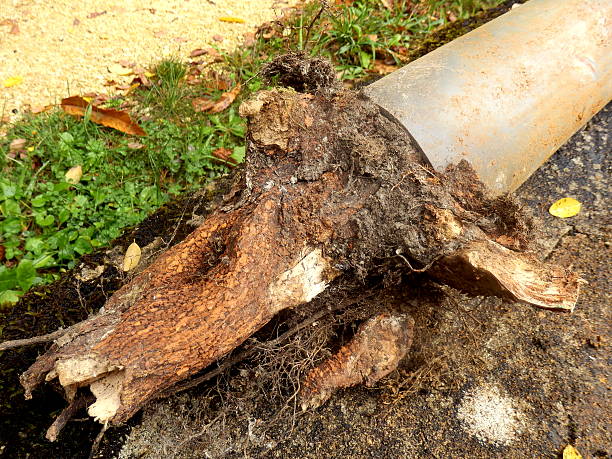
The most common culprits include accumulated leaf litter, mud and silt build-up, tree root intrusion, and debris washed in during heavy rainfall. Older properties across regional Victoria often have terracotta or PVC pipes that have shifted over time, making them even more prone to blockages. Identifying the cause early makes the fix far simpler.
Signs You Have a Blocked Outdoor Drain
Before you grab a hose or a drain snake, it’s worth confirming you’re actually dealing with a blockage. Catching it early can save you from costly water damage to your property’s foundations or garden beds.
Watch out for these warning signs:
- Water pooling around gully traps or near downpipes after rain
- A slow-draining outdoor laundry trough or yard drain
- Gurgling sounds coming from outdoor drain grates
- Foul odours rising from stormwater pits or drain covers
- Visible overflow from drain inspection points
- Soggy or waterlogged patches in your lawn near drainage lines
If you’re noticing one or more of these signs, it’s time to take action. The sooner you address it, the less likely you are to face more serious drain damage down the track.
How to Fix a Blocked Drain Outside: Step-by-Step
For many straightforward blockages, you can tackle the problem yourself with a few basic tools and a bit of patience. Here’s a practical approach that works well for Victorian homeowners dealing with surface-level or minor blockages.
Step 1: Clear the Surface Debris
Start by removing any visible debris from the drain grate or cover. Put on a pair of rubber gloves and pull out leaves, mud, and any built-up sludge by hand or with a garden trowel. Rinse the grate with a hose to see whether water now flows freely. Sometimes this simple step is all it takes.
Step 2: Use a Garden Hose at High Pressure
If the blockage sits a little deeper, run your garden hose directly into the drain opening at full pressure. The force of the water can dislodge compacted silt or push minor debris further along and out of the pipe. This works particularly well for stormwater drains that have collected fine sediment over the dry summer months.
Step 3: Try a Drain Snake or Plumber’s Auger
For blockages that won’t budge with water pressure alone, a hand-operated drain snake (also called a plumber’s auger) can be very effective. Feed the coiled cable into the drain opening and rotate it to break up or retrieve the obstruction. You can hire these tools from most Victorian hardware stores if you don’t own one.
Step 4: Check and Clear the Gully Trap
Gully traps are common in older Victorian homes and are a frequent site of blockages. Lift the trap cover carefully and remove any accumulated debris. Flush it with a hose afterwards to confirm the water is draining correctly. If the trap itself is cracked or damaged, it will need to be replaced by a licensed plumber.
Step 5: Inspect Downpipe Connections
Heavy rainfall in Victoria can wash large volumes of debris into downpipe connections. Check where your downpipes meet the stormwater system and clear any leaf guards or connection points that have become clogged. Installing a quality leaf guard on your gutters can prevent this problem from recurring season after season.
For more advice on drain-related issues and general plumbing maintenance, visit the Blustream Plumbing blog — it’s packed with practical tips for Victorian homeowners.
Preventing Future Outdoor Drain Blockages
Once you’ve cleared the blockage, a few simple habits will keep your outdoor drains flowing freely year-round. Victoria’s seasonal variation — wet winters, hot dry summers, and heavy autumn leaf drop — means your drains are under pressure at different times of year.
Consider these preventive measures:
- Clean drain grates and gully traps at least twice a year — ideally before winter and after autumn
- Trim trees and shrubs near drainage lines to reduce root intrusion risk
- Install leaf guards on gutters and downpipes
- Avoid washing soil, sand, or gravel into stormwater drains during landscaping work
- Schedule a CCTV drain inspection every few years for older properties
It’s also worth knowing that under Victorian regulations, you are responsible for maintaining the drains within your property boundary. Stormwater drains that connect to the council network become the council’s responsibility at the property boundary — so if you suspect the blockage is beyond your boundary, contact your local council or water authority.
If you’re dealing with blocked drains in Shepparton or the surrounding region, getting the right local help makes all the difference.
When to Call a Professional
Some blocked drain situations are simply beyond the scope of DIY — and attempting to fix them yourself can make things worse or even void your home insurance. If you’ve worked through the steps above without success, or if you’re seeing signs of tree root intrusion, pipe collapse, or sewage overflow, it’s time to call in a licensed plumber.
Tree root intrusion is particularly common in older Victorian suburbs where large established trees have had decades to grow into drainage lines. This requires professional hydro-jetting or mechanical root cutting equipment — not a garden hose. Similarly, if your outdoor drain issue is connected to your sewerage system rather than your stormwater system, you must engage a licensed plumber under Victorian plumbing regulations.
The team at Blustream Plumbing provides expert blocked drain services across Victoria, using CCTV camera inspection and high-pressure water jetting to diagnose and clear even the most stubborn blockages. Don’t wait until a minor issue becomes a major repair — get in touch today.
Conclusion
Understanding how to fix a blocked drain outside your home gives you the confidence to tackle minor issues quickly and prevent them from escalating. Start with surface debris removal, work through to pressure flushing and drain snaking, and always check your gully traps and downpipe connections. Regular maintenance — especially before Victoria’s wet season — is your best defence against repeat blockages.
If the problem is persistent, deep-seated, or involves tree roots or damaged pipes, don’t hesitate to call a professional. Blustream Plumbing is here to help Victorian homeowners keep their drainage systems in top shape all year round. Reach out today for fast, reliable service you can count on.
Frequently Asked Questions
Can I use chemical drain cleaners on my outdoor drains?
Chemical drain cleaners are generally not recommended for outdoor stormwater or sewer drains. They can damage older PVC or terracotta pipes, harm the environment when they enter the stormwater system, and are often ineffective against the types of blockages found in outdoor drains — such as tree roots, silt, or compacted leaf matter. Mechanical methods like drain snaking or hydro-jetting are far more effective and safer.
How do I know if my blocked drain is a stormwater drain or a sewer drain?
Stormwater drains collect rainwater runoff from roofs, driveways, and yards, while sewer drains carry wastewater from your toilets, sinks, and laundry. In Victoria, these are separate systems. If the blocked drain has a foul sewage smell or is connected to a fixture inside your home, it’s likely part of the sewer system and must be attended to by a licensed plumber. If it only fills during or after rain, it’s most likely a stormwater drain.
Is it my responsibility to fix a blocked drain outside my home?
Yes — as a property owner in Victoria, you are responsible for all drains within your property boundary. This includes stormwater drains, gully traps, and sewer connections up to the point where they join the council or water authority’s infrastructure. If the blockage is beyond your property boundary, contact your local council or retailer water corporation for assistance.
How much does it cost to have a professional clear a blocked outdoor drain in Victoria?
Costs vary depending on the severity of the blockage and the method required. A straightforward hydro-jet clean typically starts from around $150–$300, while more complex jobs involving CCTV inspection, root cutting, or pipe relining can cost significantly more. Getting a quote from a licensed local plumber is the best way to understand the cost for your specific situation. For more about what we do, visit our homepage.